B.R.A.I.N. Questions Can Help Patients Take Part in Medical Decisions
The B.R.A.I.N. framework helps patients ask about benefits, risks, alternatives, intuition and waiting when considering a medical intervention.

Latest stories
The B.R.A.I.N. framework helps patients ask about benefits, risks, alternatives, intuition and waiting when considering a medical intervention.

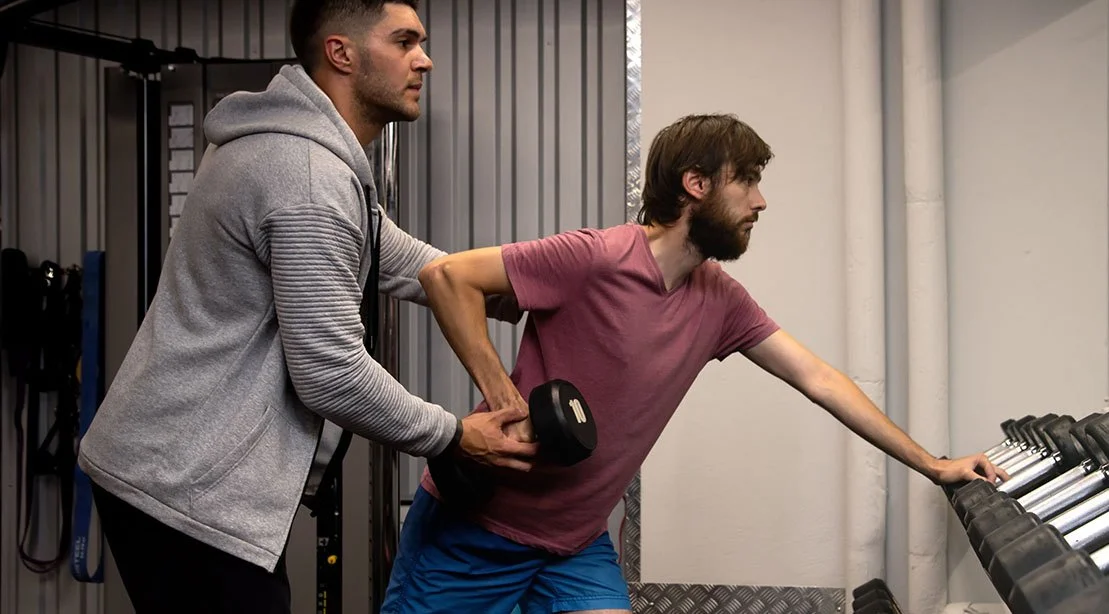
WOW wrestler Genesis pairs chest and shoulder exercises with wrist rotations to train grip. Her routine is personal, and the source gives no load or rest guidan...
The rectus abdominis works as a unit, though movement and technique may shift regional emphasis. Evidence is mixed, and fat loss can’t be targeted with ab exerc...
A mix of pulls, rows and straight-arm exercises can train the lats for size and strength. Learn how to structure sessions and avoid common form errors.
Starting Strength gives new lifters a simple plan built around barbell practice and gradual weight increases, but its gains and recovery demands have limits.
A 12-week trial in adults aged 60 to 80 found no clear training advantage from exercising at their daily strength peak.
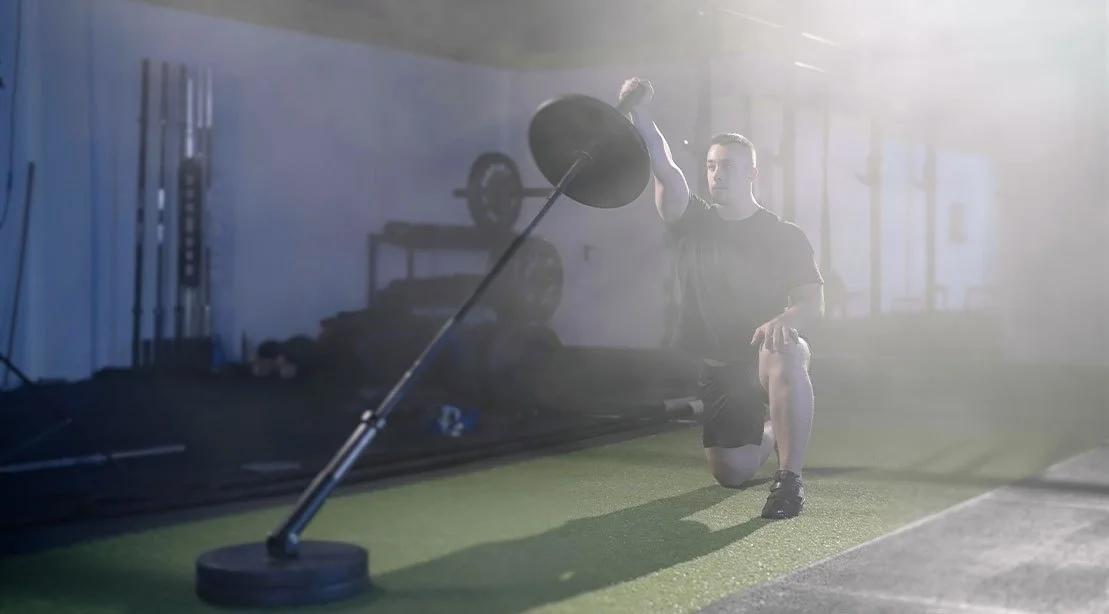
A stable stance, comfortable grip and well-placed bar can make the half-kneeling landmine press easier to control. Setup varies by body and equipment.
Dips can strain some shoulders because of their deep bottom position. These five alternatives train the chest and triceps with more controllable movement.
This exercise builds rotational power by coordinating the feet, hips, trunk and arms. Light loads and short sets help keep the focus on speed.
Hand placement can affect comfort, stability and lifting mechanics. Learn how to choose a barbell grip for bench presses, overhead presses and squats.
A balanced lat routine combines vertical pulls, rows and straight-arm work, with controlled reps and enough weekly volume to support strength and muscle growth.
Bench height, stance and balance can limit split squat depth. Five drills target the hip, ankle and control demands behind a steadier bottom position.
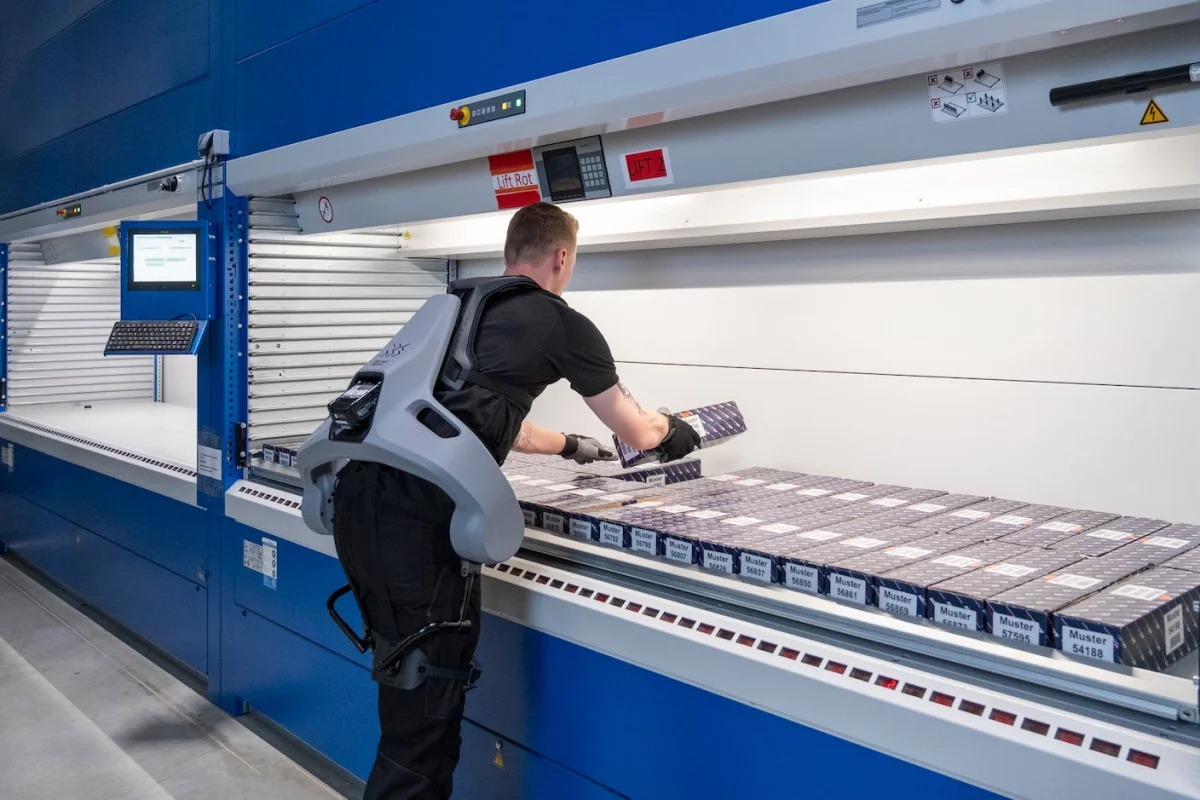
Wearable robotic frames are expanding across work, rescue and rehabilitation, though battery limits and early evidence still shape their practical reach.