Berries: Nutrition, Storage Tips and Five Ways to Use Them
Berries offer useful nutrients and flexible ways to add fruit to meals. Here’s what the research suggests, plus tips for fresh and frozen berries.

Berries are an easy way to add fruit, flavor and color to everyday meals. Research has linked berry consumption with potential benefits for heart and brain health, but those findings don’t mean berries prevent or treat disease. A practical takeaway is simpler: enjoy a variety of berries in meals and snacks, and keep added sugar in recipes in check.

There’s also a berry with an unusual effect on taste. The West African plant Synsepalum dulcificum produces fruit containing miraculin, a protein that can make sour foods taste sweet for about an hour. Japanese researcher Kenzo Kurihara identified the compound in 1968. Its effect on taste has prompted interest in sugar-free foods, though it hasn’t turned into a widely used food ingredient.
A sweetener idea that stalled
In the 1970s, biomedical postgraduate student Robert Harvey founded a company called Miraculin to make desserts without added sugar. The source article describes blind taste tests in which schoolchildren preferred the products to desserts sweetened with table sugar. Harvey later reported that he was followed, his office was broken into and files were taken.
In 1974, the U.S. Food and Drug Administration barred the use of miraculin in food, treating it as an additive that needed extensive safety testing. Harvey blamed the decision on pressure from the sugar industry, but that account remains an allegation; the source doesn’t establish that such interference occurred. The episode is an intriguing chapter in the search for alternatives to sugar. For most home cooks, though, familiar berries offer a more straightforward way to bring natural sweetness to a dish.
What counts as a berry?
In botanical terms, a berry is a fleshy fruit with multiple seeds. That definition includes some foods people don’t usually call berries, such as bananas, tomatoes and cucumbers. And several familiar “berries”—including strawberries, raspberries and blackberries—are technically aggregate fruits, made up of small individual fruit segments. Blueberries and cranberries fit the botanical definition.
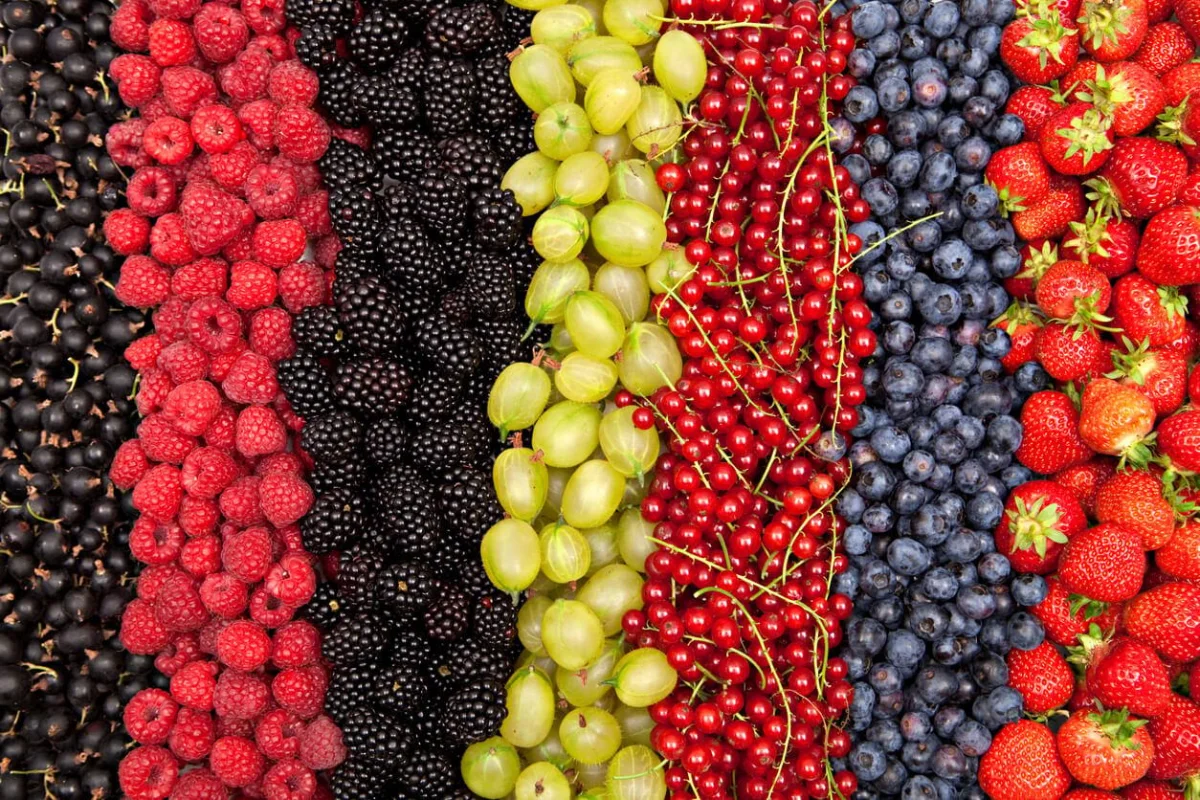
For cooking, it’s reasonable to use the everyday meaning. Strawberries, blueberries, cranberries, blackberries, raspberries, grapes, açai, goji berries, boysenberries, lingonberries and gooseberries can all bring different flavors and textures to a meal. The article’s broader, kitchen-friendly grouping includes grapes because they’re similarly convenient to eat and use.
Whatever the botanical label, berries are versatile. Fresh fruit can be eaten as a snack, while frozen or dried berries work in many recipes. A varied diet matters more than trying to identify one “best” berry or treating any single food as a solution to health concerns.

What research says about health
Berries provide nutrients such as vitamin C, folate and potassium, along with plant compounds including anthocyanins and ellagic acid. Anthocyanins contribute to the red, blue and purple colors of many berries. These compounds have been studied for their potential effects on processes involved in health, including inflammation and oxidative stress. That research is interesting, but it doesn’t show that eating berries can replace medical care or prevent a particular illness.
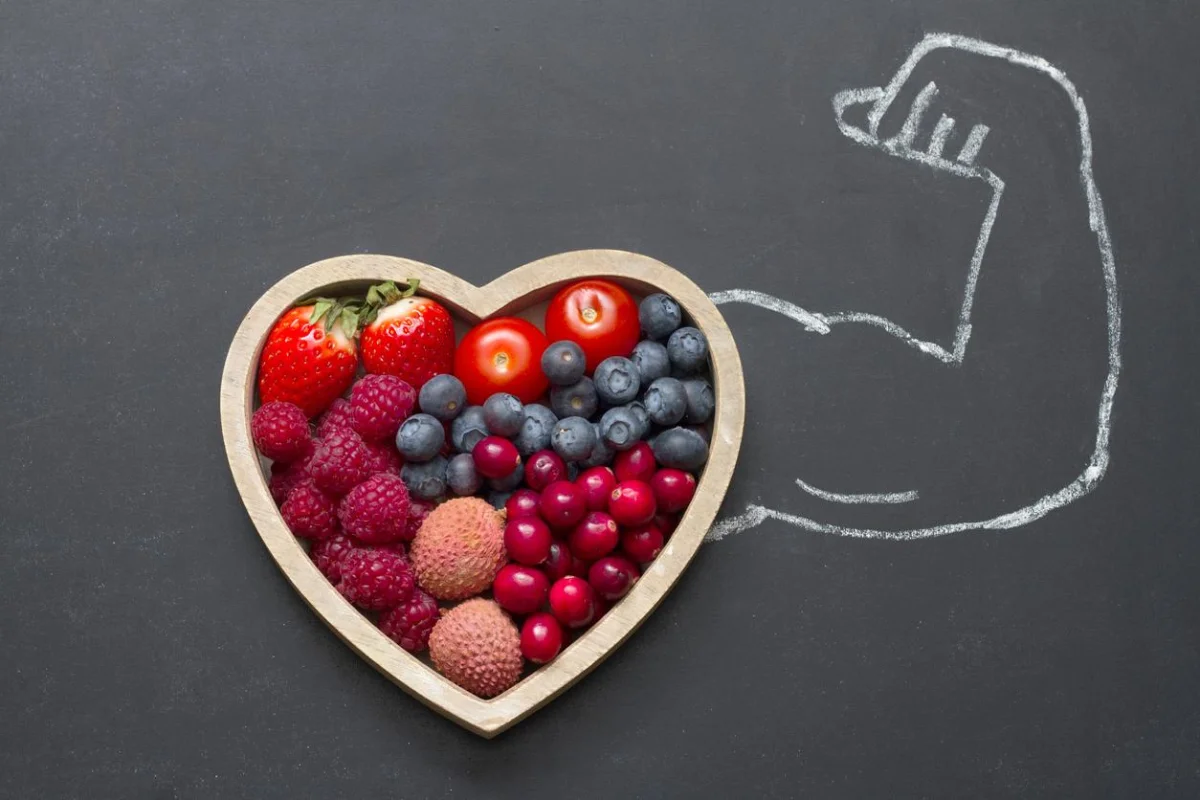
One 2016 review discussed long-term berry consumption in relation to metabolic syndrome, a group of risk factors associated with conditions such as type 2 diabetes and heart disease. A 2025 meta-analysis combined results from 14 randomized controlled trials and found that berry consumption significantly increased HDL cholesterol—the type commonly called “good” cholesterol—among people with metabolic syndrome.
That result is specific: it concerns HDL levels in people with metabolic syndrome across the included trials. It doesn’t establish that berries prevent heart disease, resolve metabolic syndrome or produce the same effect for everyone. Study findings also depend on details such as the berries used, the amount eaten and how long participants were followed. People managing cholesterol or other risk factors can ask a clinician or pharmacist how dietary changes fit with their care.
Berries’ polyphenols have also been studied for their relationship to inflammation and oxidative stress. These are biological processes that occur in the body and have connections with many chronic diseases. Research into a possible role for berries is not proof of a direct treatment effect. Claims about berries’ antimicrobial activity or cancer-fighting potential also need careful wording: laboratory findings about plant compounds don’t establish that eating berries can treat infections or cancer in people.
Brain health is another area of study. A 2017 study reported increased blood flow in key brain areas, as well as improvements in memory and attention, among participants who ate blueberries. Other research described in the source found memory changes among older adults after several months of eating strawberries and blueberries. A 2012 study published in Annals of Neurology linked regular berry consumption with slower cognitive decline, estimating a relationship with up to two and a half years of additional healthy brain function.
These results are associations and study findings, not a promise that berries will prevent memory loss. The amount and type of evidence vary across outcomes, and diet is only one part of health. Still, berries are a useful fruit choice for people who enjoy them, and adding them to meals can be an approachable way to vary a diet.
Fresh, frozen or dried?
Fresh berries can be eaten on their own or added to breakfast, smoothies, salads, sauces, dressings, jams, desserts and drinks. They’re delicate and can spoil quickly, so check a carton for visible mold or damaged fruit and plan to use fresh berries soon after buying them. The source also notes that berries can be costly and may have a sizable carbon footprint when transported long distances outside their local season.
Frozen berries can be less expensive and last longer in the freezer, which may help reduce food waste. They’re often picked ripe and quickly frozen, a process that helps preserve flavor and nutrients. They’re especially convenient for smoothies and popsicles, where the berries will be blended, and for cooking when fresh fruit is out of season. Dried berries are another option, though products can vary; check ingredient labels for added sugar. The source advises avoiding berries and berry products packed in syrup.
Fresh and frozen berries can both fit into meals. The best choice often comes down to availability, cost, recipe and how quickly the fruit will be eaten. Frozen fruit can be a dependable pantry staple, while fresh berries work well when they’re in season and likely to be used promptly.
Keeping berry recipes balanced
Making berry dishes at home gives you more control over ingredients than many packaged desserts and snacks. Most recipes can get plenty of flavor from ripe fruit without refined sugar. If a dish needs more sweetness, the source suggests a whole-food sweetener. A little citrus juice can add tartness and sharpen berry flavor.
For baked goods, whole-grain flours are an alternative to bleached, highly refined flour. The source also lists oat, legume and almond flours as options for people looking for gluten-free baking ingredients. Individual dietary needs differ, so anyone managing an allergy, intolerance or medical condition may want to check ingredient choices with a qualified health professional.
Organic produce can be a personal or budget-based choice. The source recommends prioritizing organic strawberries and blackberries when choosing among berries, citing their appearance on the Environmental Working Group’s Dirty Dozen list. It says strawberries held the top spot for nine consecutive years and currently rank third, and that blackberries joined the list after testing began on them in 2023. These rankings reflect the group’s way of assessing pesticide residues; they don’t by themselves describe the risk to an individual. If organic choices don’t fit a budget, eating fruit that’s available and affordable can still be part of a varied diet.
Five ways to bring berries to the table
Pink raspberry oatmeal
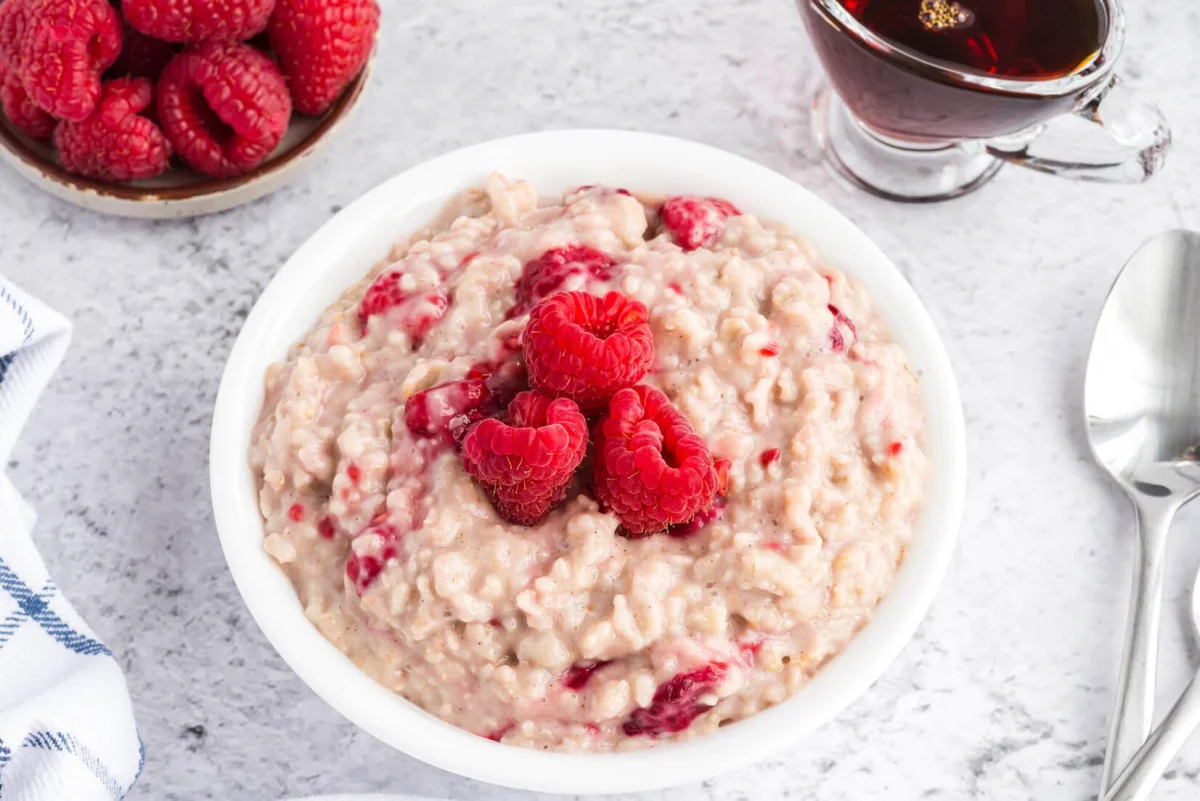
Stir frozen raspberries into oatmeal for a colorful breakfast with a sweet-tart flavor. Frozen berries are convenient year-round and soften as they warm with the oats. The recipe description presents this as a simple, filling way to use fruit in the morning. See the Pink (Raspberry) Oatmeal recipe.
Blueberry ginger smoothie
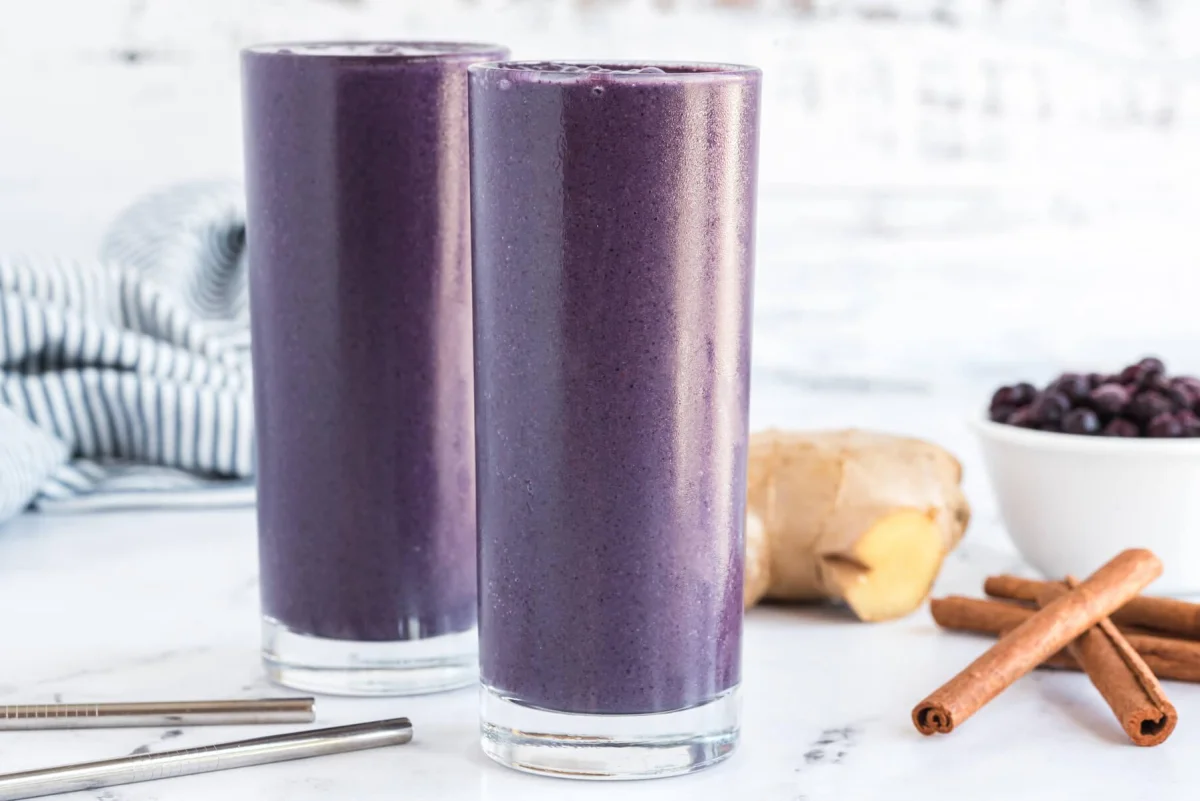
Blueberries, ginger and leafy greens bring fruit, spice and vegetables together in a blended drink. The recipe description also mentions oats, which contribute fiber. Smoothies are one way to use frozen fruit, and blending makes it easy to combine ingredients with different textures. See the Blueberry Ginger Smoothie recipe.
Blueberry balsamic walnut dressing
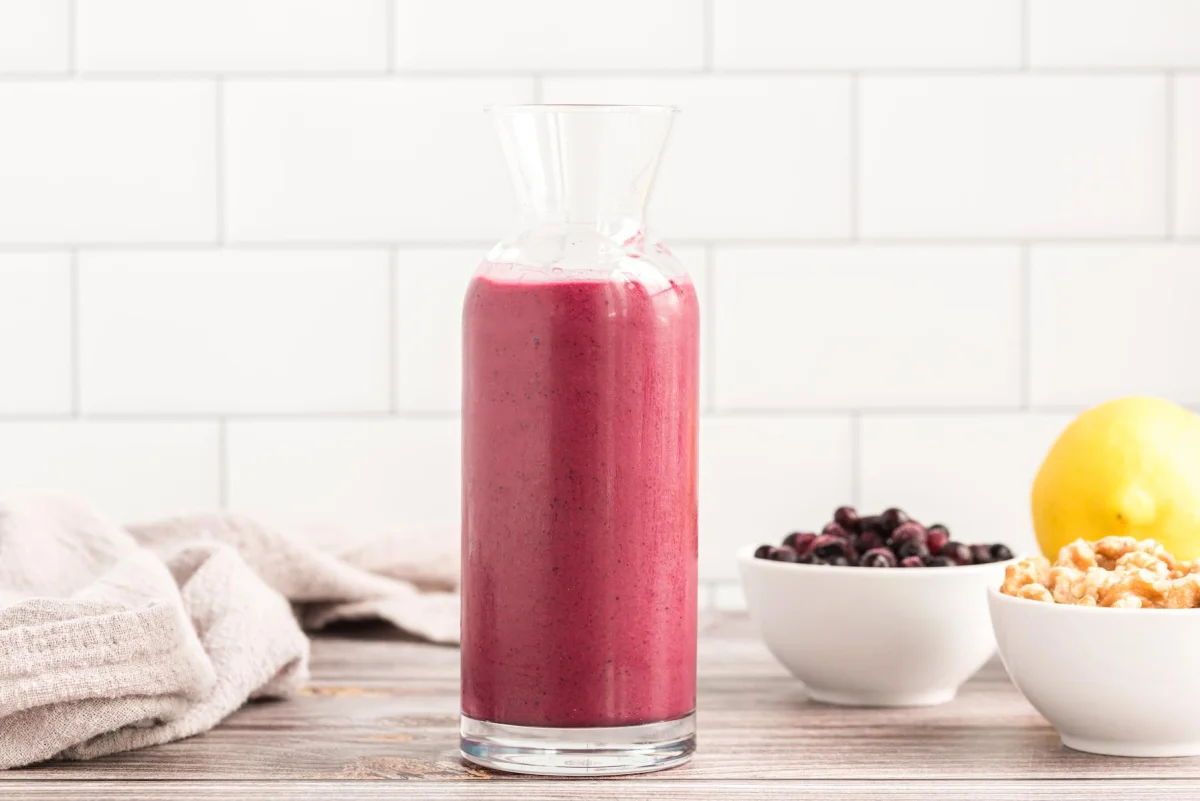
Blueberries bring sweet and tart notes to a dressing for salads or grain bowls, while walnuts give it a creamy texture. The recipe description highlights walnuts as a source of protein and omega-3 fatty acids, and blueberries as a source of vitamin C, anthocyanins and fiber. See the Blueberry Balsamic Walnut Dressing recipe.
Strawberry pear jam
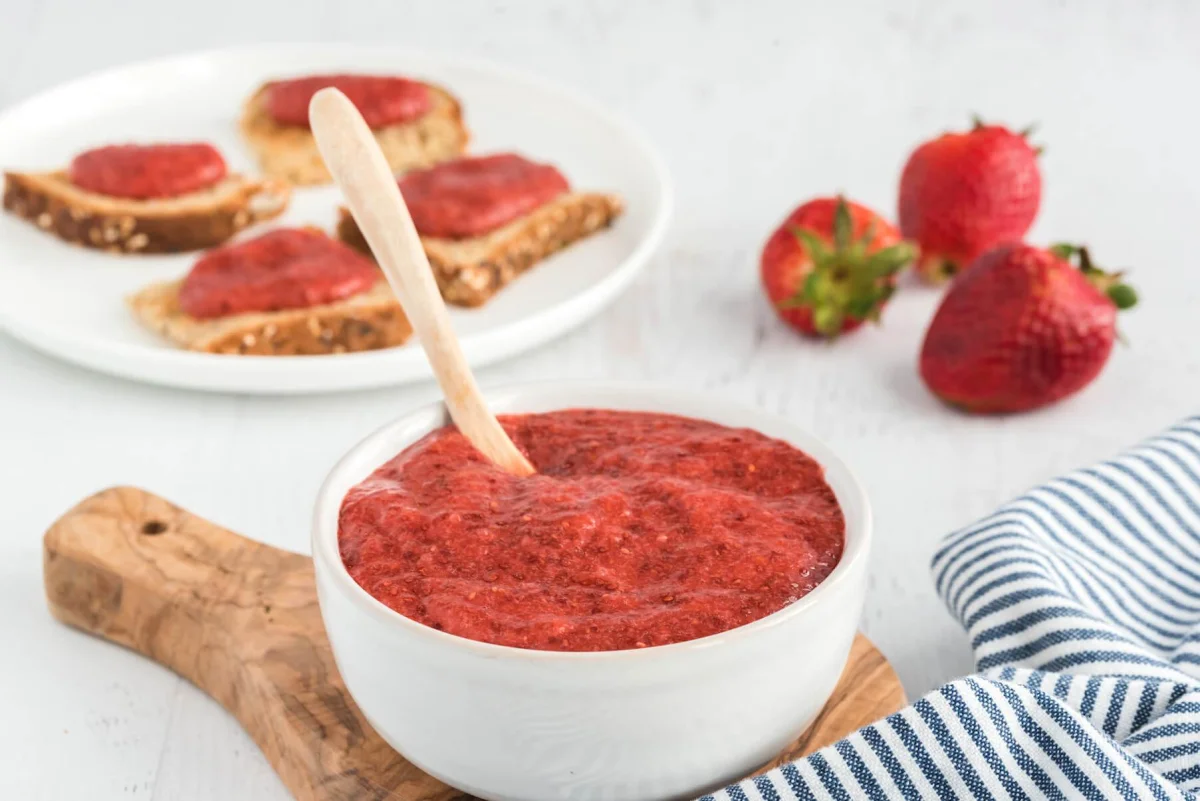
Cook strawberries and pears together until they form a thick fruit spread, then add chia seeds. The source describes chia as a source of fiber and omega-3 fats. This homemade approach lets the fruit provide the main flavor and sweetness. Make a larger batch if you’d like to share portions. See the Strawberry Pear Jam recipe.
Strawberry shortcake bars
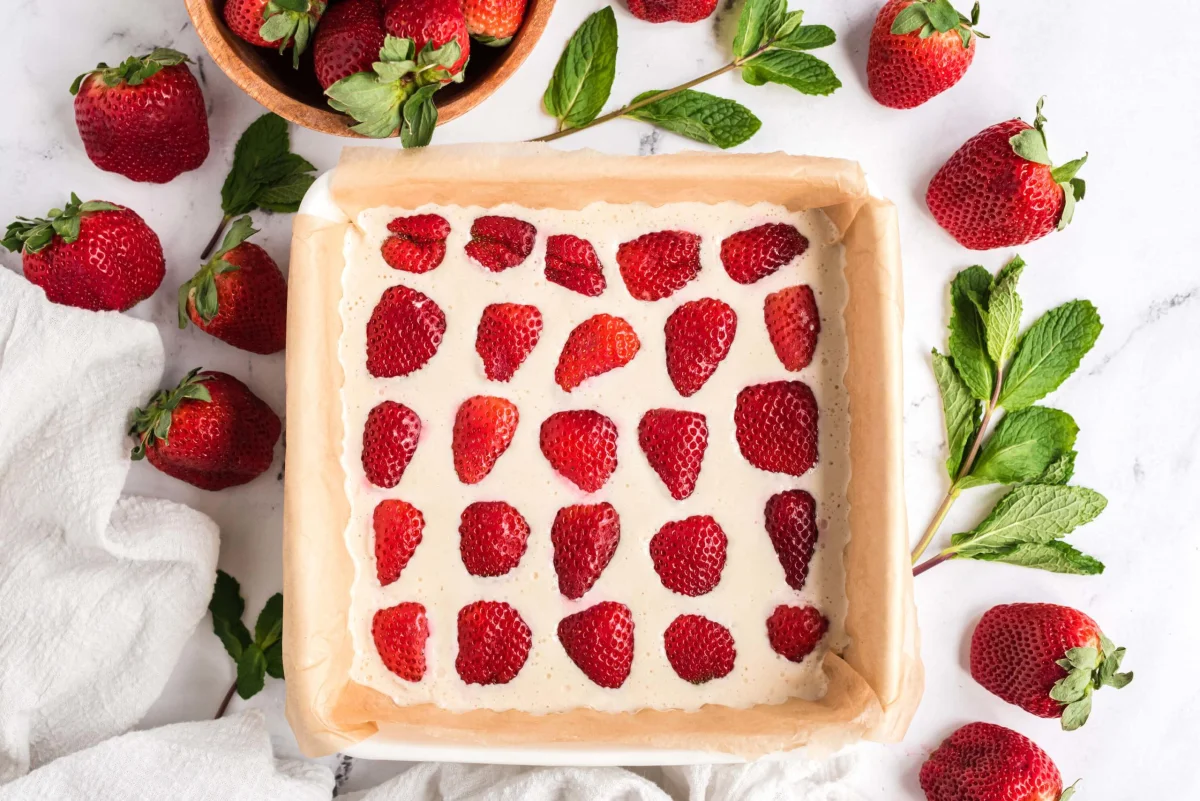
A nut-based crust, creamy filling and fresh fruit make these bars a dessert option built from plant ingredients. The recipe description presents them as a way to enjoy strawberry flavor and a range of textures without added sugar. As with any dessert, ingredients and portions still shape the overall nutritional picture. See the Strawberry Shortcake Bars recipe.
A practical place for berries
Berries can contribute useful nutrients and make meals more varied, whether eaten fresh, stirred into oatmeal, blended into a smoothie or used in a homemade spread. The strongest practical case is that they’re flavorful and easy to use; research into possible health effects is promising in some areas but doesn’t establish them as treatments.
Choose the form that works for your budget and routine, and consider checking labels on packaged berry products for syrup or added sugar. If you’re making dietary changes while managing a health condition or medication, a clinician or pharmacist can help put the evidence in context.