H5N1 Death After Dairy Exposure Raises Questions About Farmworker Risk
A Washington resident with underlying health conditions died after H5N1 exposure linked to dairy cattle; the risk to the general public remains low.
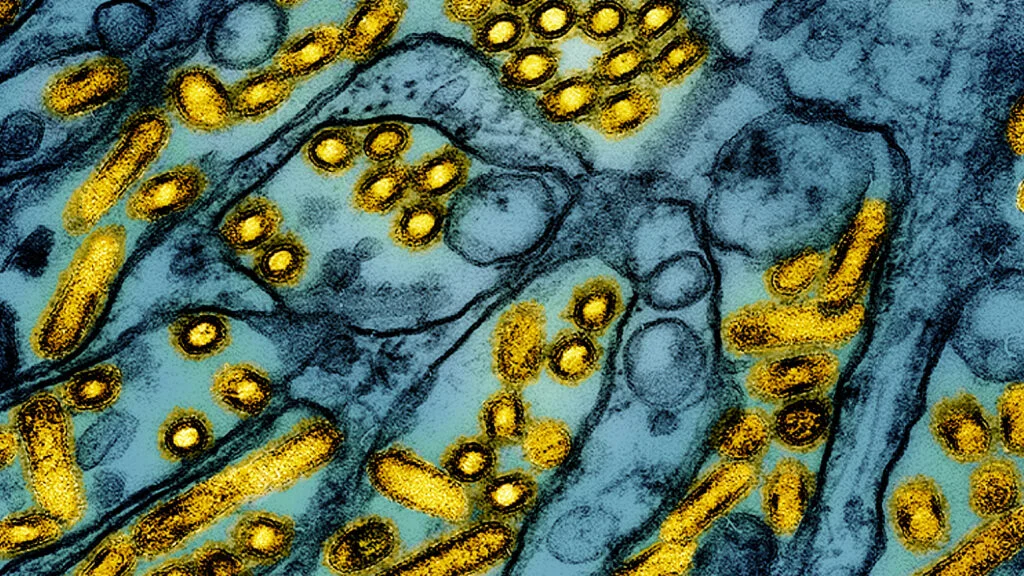
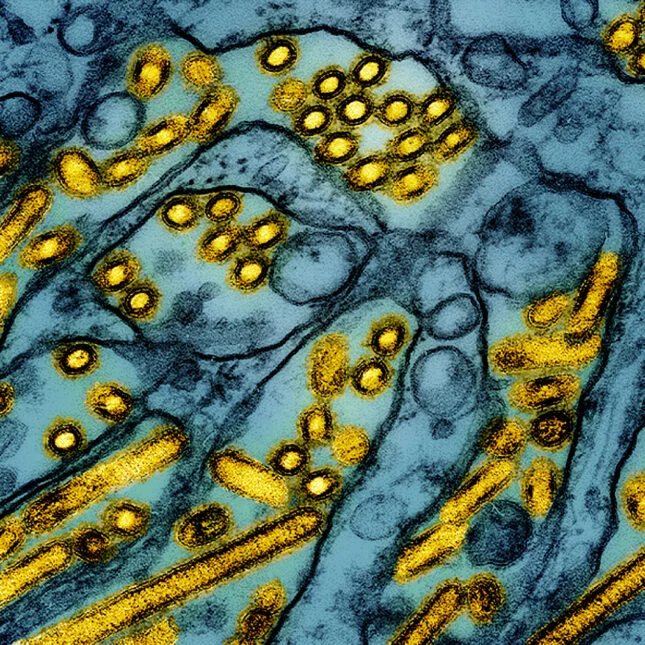
A Washington resident has died after contracting H5N1 bird flu following exposure at a dairy with infected cattle. The person, who had underlying health conditions, was hospitalized before dying Sunday, according to Yakima County health officials. The case is a reminder that animal infections can create exposure risks for people who work around livestock, even as the risk to the wider public remains low.
The Centers for Disease Control and Prevention identified H5N1 as the virus involved. Yakima County has not released further details about the person. The death is the first U.S. bird flu death in a year, and the third reported in the country since the virus became a broader health concern in 2024.
What is known about the local outbreak
County officials have reported that 33 dairy herds in the area recently tested positive for H5N1. Three human infections have been linked to dairy exposure. The Yakima Health District and the state health department are working to identify people who had close contact with those infected and monitor them for symptoms.
Those figures describe reported cases and herds; they don’t show how likely an individual worker or resident is to become infected. The article does not provide information about the person’s specific exposure, symptoms, or medical care. It also does not say whether the two other dairy-linked infections involved people who worked directly with cattle.
Genetic analysis of the virus from the person who died found no changes that would make it spread more easily or cause more severe illness, a CDC spokesperson said. That finding offers useful information about the virus sampled from this case. It doesn’t establish that every H5N1 virus circulating among animals is identical, or that the illness will be mild in every person who becomes infected.
How this case fits the U.S. record
More than 70 human H5N1 infections have been reported in the United States since the beginning of 2024. Before this latest death, two other U.S. deaths had been associated with bird flu during that period. In January 2025, an elderly person in Louisiana died after infection with H5N1. In November 2025, a person in Washington died from infection with the less common H5N5 strain.
The current case is linked to cattle exposure, a route that became a focus of concern after H5N1 infections spread among U.S. livestock in early 2024. The virus has also circulated widely among wild birds, poultry, cows and other animals for several years. Its presence across animal populations means some people may encounter it through work or other close contact with infected animals.
So far, there is no known person-to-person spread of H5N1 in the United States, and the CDC describes the risk to the general public as low. That assessment applies to the population overall; people who handle sick animals or work in affected farm settings can face a different level of exposure.
What the findings mean for people with animal contact
Health authorities continue to advise people who handle sick or dead birds to use precautions, including respiratory and eye protection and gloves when handling poultry. Farmworkers are considered at higher risk because their work can bring them into closer contact with infected animals and potentially contaminated material.
For people who work with cattle or poultry, the practical point is to follow workplace guidance for protective equipment and to report possible exposure or symptoms through the appropriate health care or workplace channels. Anyone concerned about a recent contact with sick animals can discuss the exposure with a doctor or pharmacist, particularly if they develop symptoms afterward.
The evidence in this report is a case description alongside local herd and infection counts, not a study comparing treatments or measuring the chance of infection for different groups. It establishes that a person with underlying health conditions died after an H5N1 infection linked to dairy exposure, but it cannot determine how much those health conditions affected the outcome. The genetic findings are reassuring on specific questions about the sampled virus, while the number of animal infections and human cases will remain important to watch.
Earlier H5N1 death in Louisiana · Washington H5N5 case · H5N1 spread among people and animals · CDC situation summary