Medicinal Mushrooms: What Research Says About Five Potential Health Benefits
Studies link some mushrooms with antioxidant, immune, blood sugar, brain and exercise effects, but much of the evidence is early or limited.
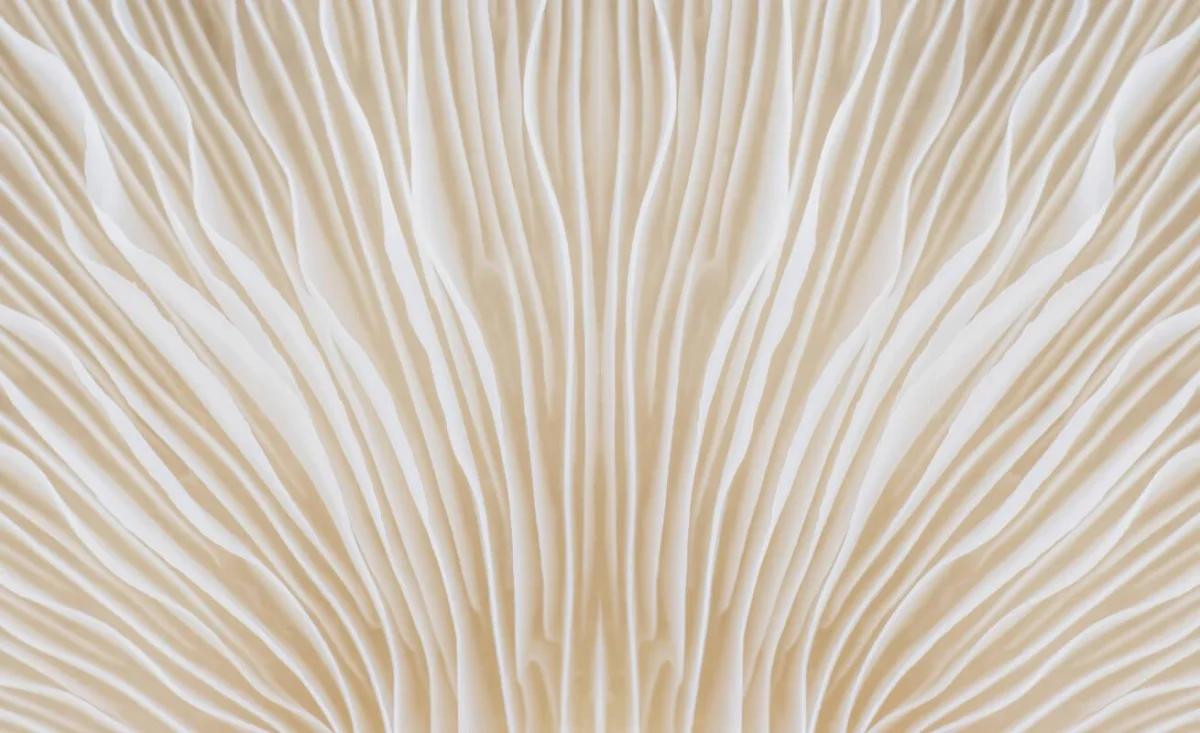
Research on medicinal mushrooms spans cell experiments, studies in animals and a smaller body of human research. The findings suggest several possible effects, from changes in immune activity to better endurance test results. They don’t establish that mushrooms prevent or treat disease, and results from one species or preparation can’t automatically be applied to another.
That distinction matters: mushrooms contain many compounds, and preparations vary. Some studies test isolated extracts, while others use dried mushrooms or specific compounds. The human evidence is most developed for certain turkey tail extracts used alongside cancer care, but even there, results depend on the cancer, treatment and study. For other proposed benefits, evidence often comes from small or preliminary studies.
Fungi are more closely related to animals than plants in evolutionary terms. Many contain beta-glucans, complex carbohydrates that can influence immune activity. Researchers are also studying compounds such as ergothioneine, glutathione and polysaccharides. These findings have made mushrooms an active area of research, but they don’t mean that eating mushrooms has the same effect as taking a concentrated extract.
1. Antioxidant activity
Free radicals can damage cells, and oxidative stress is one process researchers associate with a range of health problems. Mushrooms contain antioxidant compounds, including ergothioneine and glutathione. Their presence makes mushrooms interesting to study, but it doesn’t show that a particular mushroom or supplement prevents illness or slows aging.
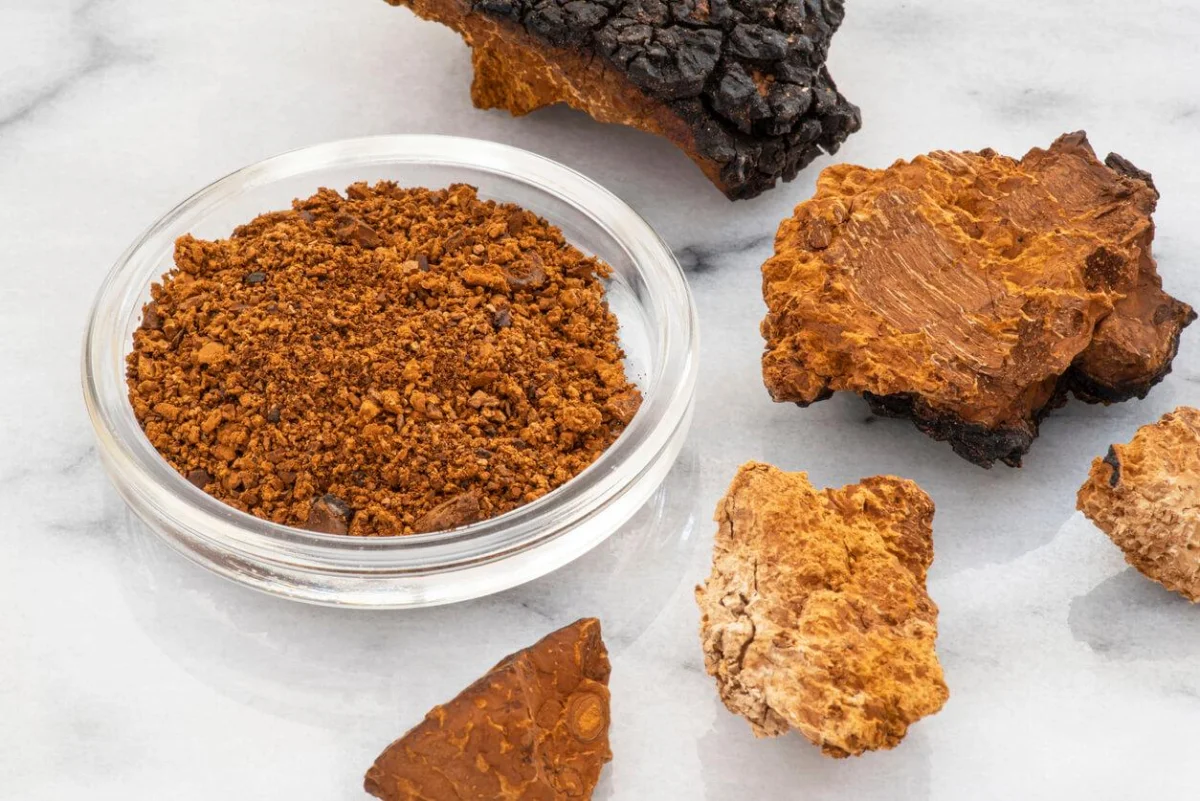
Studies have reported antioxidant activity in reishi and chaga extracts. One experiment tested a polysaccharide from chaga in mice with chronic pancreatitis and found improvements in some measures of illness. Another animal study examined a polysaccharide from Cordyceps militaris in mice whose immune systems had been chemically suppressed; the preparation improved antioxidant activity. These are animal findings, so they can’t tell us whether the same effects occur in people, or whether mushroom products would be safe or useful during treatment.
Chaga also raises a sourcing question. It grows slowly on living birch trees, and concern has been raised that wild harvesting could put pressure on forest populations. Cultivation and harvesting practices may affect both the sustainability of a product and its chemical composition. People considering chaga products can look for clear information about sourcing and cultivation rather than assuming that all products are alike.
2. Immune activity and cancer research
Laboratory and animal studies suggest that some mushroom compounds can affect immune cells and the chemical signals those cells use to communicate. For example, a chaga polysaccharide called IP3a increased macrophage activity and cytokine secretion in mice. Macrophages help clear unwanted material from tissues. In another mouse study, chaga extract given for 24 days helped restore production of certain blood cell precursors in animals with weakened immune systems. These results show biological activity in animals; they don’t demonstrate that chaga treats immune problems in people.
Reishi has also been studied for possible effects on immune components, including natural killer cells. In a small study of people with advanced cancer, 34 participants received a reishi-derived polysaccharide called ganopoly for 12 weeks. Immune-function results were available for 30. Researchers reported changes in natural killer cell activity, immune signaling and lymphocyte response. The study measured these immune markers; it does not establish that ganopoly controlled cancer or improved survival.
Shiitake contains lentinan, a polysaccharide studied for possible effects on tumors. A human study published in 2014 enrolled 52 healthy young adults who ate 5 grams of dried shiitake each day for four weeks. Researchers reported increases in measures of T-cell and natural killer cell activity, as well as a reduction in some measures of inflammation. The short study in healthy participants can’t show whether shiitake helps prevent or treat cancer.
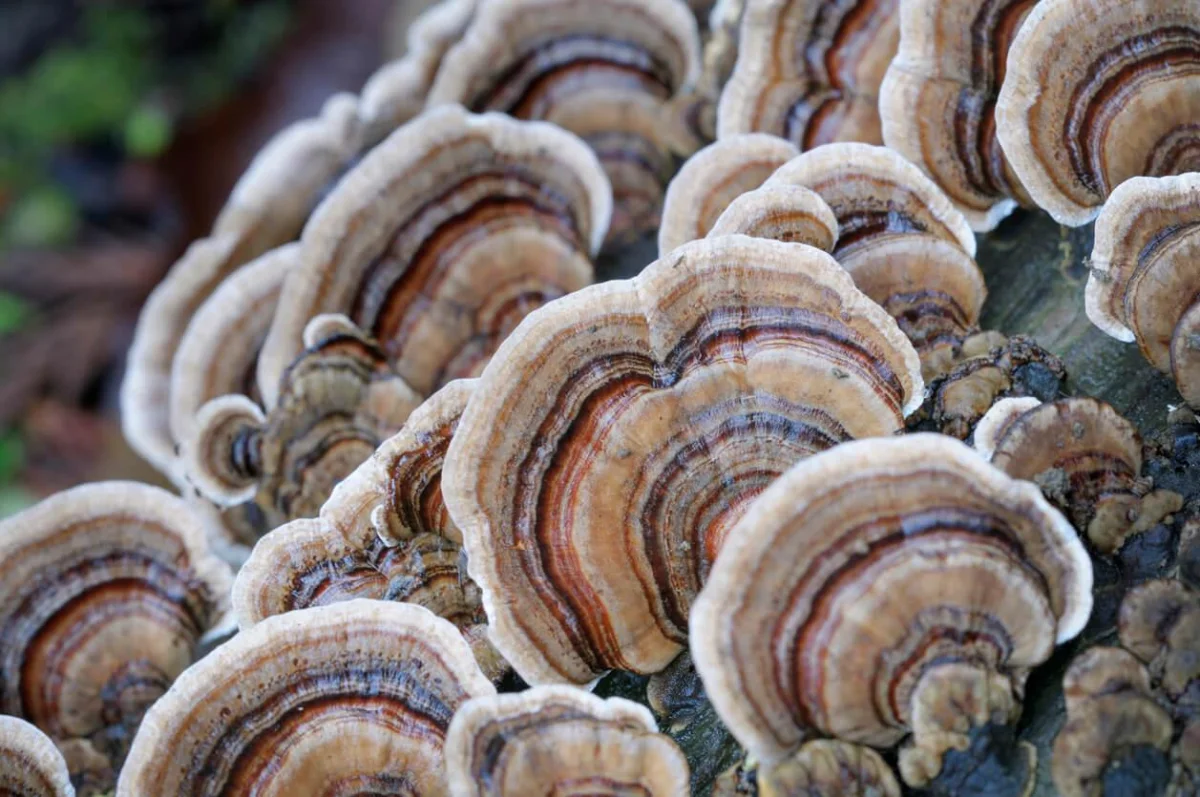
Turkey tail has been studied more extensively in people than many other medicinal mushrooms. Researchers have focused on two protein-bound polysaccharides: PSK and PSP. Studies of PSK have often considered it as an addition to cancer treatment, rather than a stand-alone therapy. A 2024 National Cancer Institute summary describes six randomized clinical studies in lung cancer in which PSK was given alongside chemotherapy. The studies reported improvements in one or more outcomes, including immune measures, weight, well-being or survival. The summary does not mean that every patient benefited, or that results apply to every cancer or PSK product.
A 2023 review of clinical studies and cohort research examined medicinal mushrooms in gastric, breast and colorectal cancers. It found some of the stronger evidence for turkey tail PSK used with chemotherapy, including reports of longer survival and fewer treatment-related problems such as low white blood cell counts. A 2024 clinical study also reported improved three-year survival for some people with colorectal cancer who received PSK with oral chemotherapy, compared with chemotherapy alone. These findings need to be interpreted in the context of the specific treatment and patient groups studied. They don’t support replacing prescribed cancer care with mushroom products.
Turkey tail PSP has also been investigated for its effects on gut bacteria. It may act as a prebiotic, a substance that can support the growth of certain bacteria, including Lactobacillus and Bifidobacterium. A randomized study in healthy volunteers reported changes in microbiome composition after PSP. Its comparison with amoxicillin found a lasting increase in Escherichia/Shigella after antibiotic use. These results describe changes in gut bacteria; they don’t prove that PSP prevents disease or that it should be used to counteract antibiotics.
3. Blood sugar and kidney research
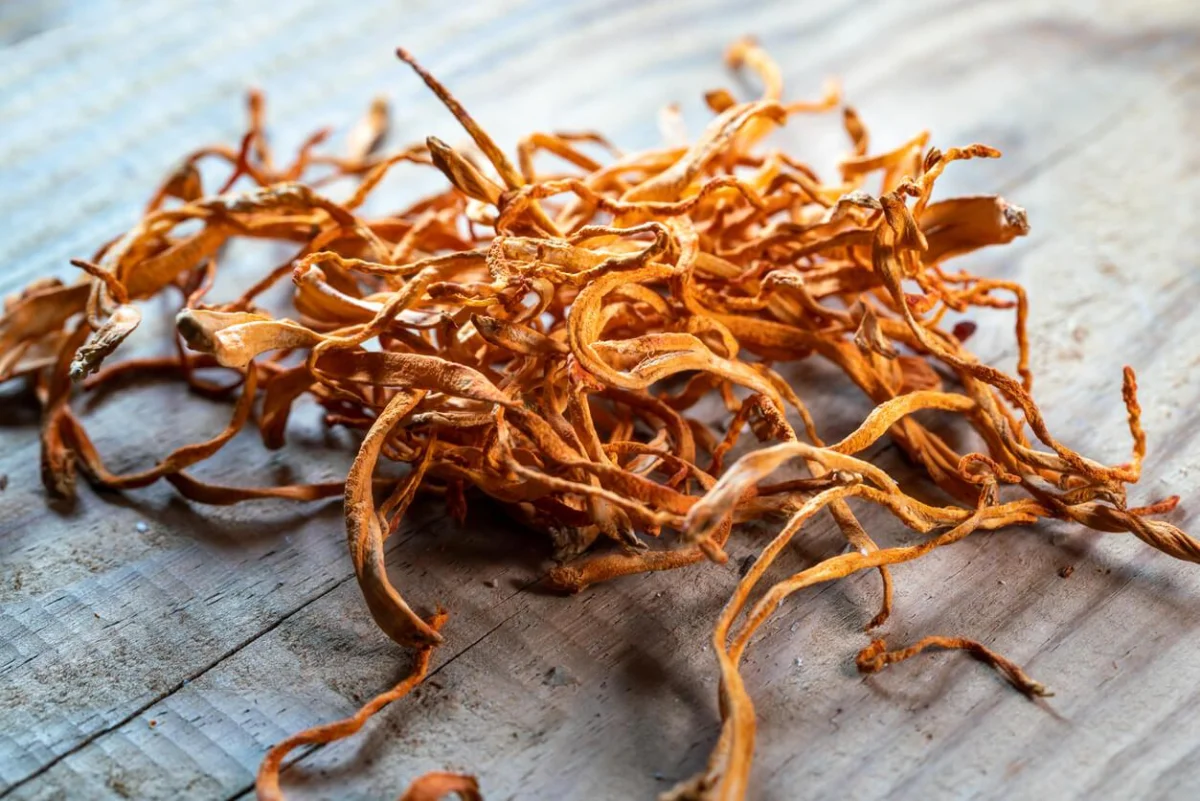
Cordyceps compounds have been studied for effects on blood sugar and blood fats. A 1996 experiment found that a cordyceps polysaccharide lowered blood sugar and reduced triglyceride and cholesterol levels in diabetic mice. In a separate 2016 mouse study, a Cordyceps militaris preparation appeared to preserve kidney function in animals with type 2 diabetes.

Both studies are preclinical: they were conducted in mice, not people. They don’t show that cordyceps can manage diabetes, prevent kidney damage or take the place of usual care. Anyone considering a supplement while managing blood sugar or kidney disease can discuss possible interactions and product safety with a clinician or pharmacist.
4. Brain function
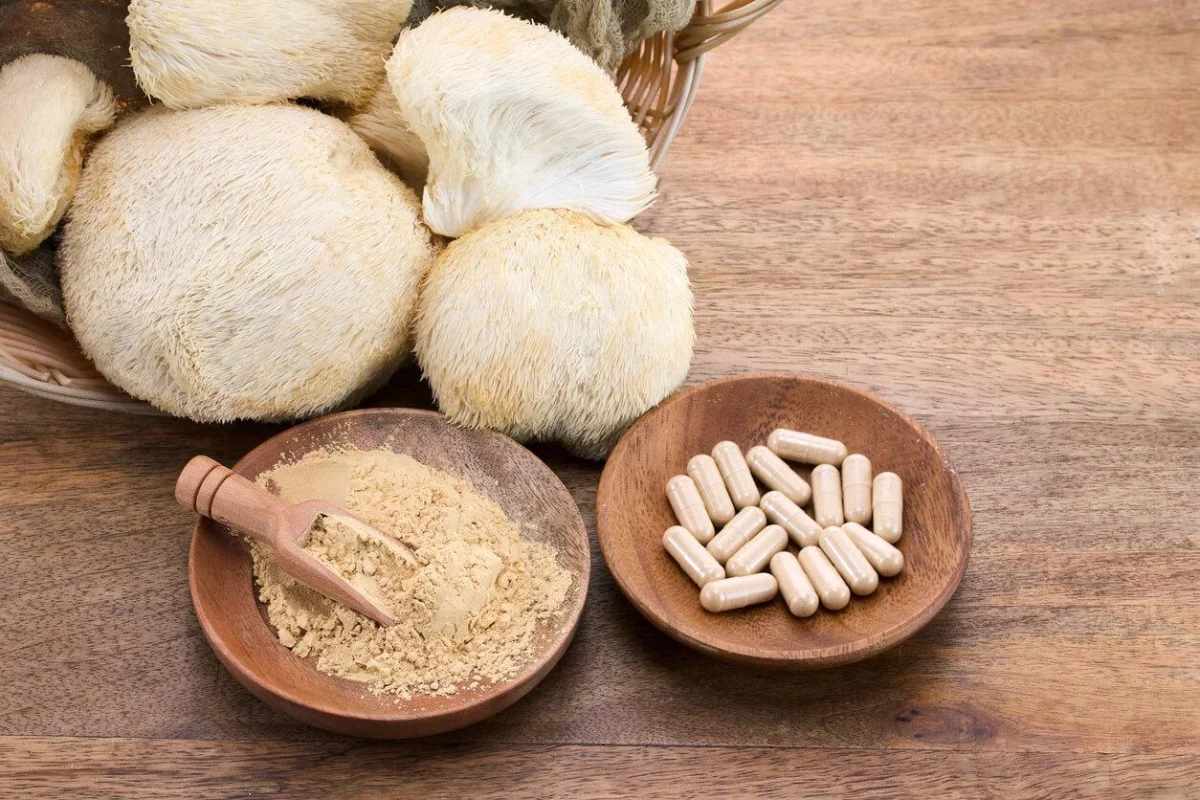
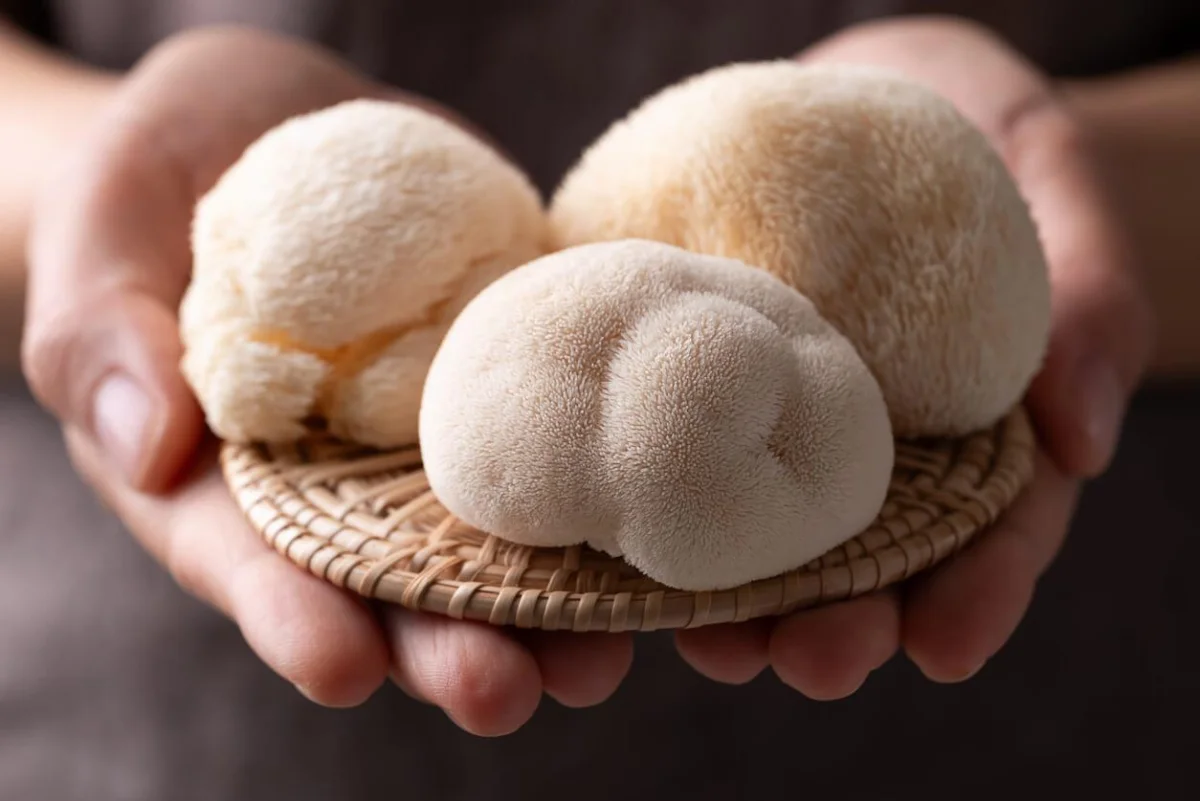
Lion’s mane has compounds that researchers have studied for their effects on nerve growth factor, a protein involved in the growth and maintenance of nerve cells. Lab findings suggest these compounds may affect nerve-cell growth and myelin, the insulating material around nerve fibers. Those mechanisms are a reason for research, not proof of a benefit to memory or brain health in daily life.
A small Japanese study gave lion’s mane to older adults with mild cognitive impairment for 16 weeks. The group taking the mushroom scored higher on a cognitive function measure while the study was underway. After participants stopped, the difference disappeared. That pattern suggests any effect may depend on continued use, but a small study can’t establish long-term benefit or show that lion’s mane prevents dementia.
A 2023 randomized, double-blind, placebo-controlled study tested lion’s mane in 41 healthy adults aged 18 to 45. After 28 days, participants showed faster processing speed on cognitive testing, and they reported a possible reduction in perceived stress. The short duration and small sample leave open whether the changes are meaningful, last over time or apply to other groups. A separate study reported memory effects in mice, which need further testing in people.
5. Exercise performance
Cordyceps may affect how the body uses energy. One proposed mechanism involves adenosine and ATP, a molecule cells use to power many processes. A double-blind, placebo-controlled study in 20 healthy older adults tested a cordyceps extract called Cs-4 three times daily for 12 weeks. The researchers reported improvements in exercise performance and general well-being. With only 20 participants, the study offers an early signal rather than a firm conclusion.
A 2025 meta-analysis combined 14 randomized trials involving 528 athletes. It reported improvements in endurance, ventilatory threshold and peak oxygen consumption among participants taking Cordyceps sinensis. The results are encouraging, but studies may differ in the mushroom species, cultivation methods, preparations and amounts of active compounds. Those differences could help explain why not every study has found an endurance benefit. Evidence from athletes also may not predict effects for other people.
For now, cordyceps looks promising for some measures of aerobic performance, but the evidence doesn’t establish a reliable effect for every product. Findings from a particular standardized preparation shouldn’t be assumed to apply to a generic blend.

Food, supplements and safety
Edible mushrooms include common varieties such as button, crimini, portobello and oyster, as well as shiitake and lion’s mane. Eating them as food is different from taking a concentrated extract. Whole mushrooms provide fiber and nutrients; powders and extracts may contain different amounts of active compounds depending on how they were made. Water or alcohol extraction can also affect which compounds are present.
Research on one species, extract or compound doesn’t establish the benefits or safety of another. Supplement labels may not tell the whole story, and product composition can vary. People comparing products can look for clear information about the species, the part of the fungus used, how it was extracted and whether independent testing was done. These details help describe a product but don’t guarantee that it will have a health effect.
Some mushrooms have potential interactions with medicines. Reishi, for example, has been associated with interactions involving blood thinners and medicines that suppress immune activity. People with a health condition, those taking medicines, and anyone considering a mushroom supplement alongside cancer treatment can ask a doctor or pharmacist about possible risks. Supplements shouldn’t be treated as a replacement for prescribed care.
Wild mushroom identification is another safety issue. Some wild species are poisonous, and appearance alone can be misleading. People without specialist training can avoid the risk by choosing mushrooms from reliable food sources rather than trying to identify and gather them.
Other species, including maitake, are also being studied for immune and blood sugar effects. For all medicinal mushrooms, the next useful evidence will come from larger, well-designed human studies that clearly describe the preparation tested and track meaningful health outcomes. Until then, mushrooms can be part of a varied diet, while claims about supplements should be judged by the quality and limits of the research behind them.