Choline: What It Does, How Much You Need and Plant-Based Food Sources
Choline supports cell function, the liver and brain, but most adults fall below its intake target. Learn what the evidence says and which foods provide it.
Choline is essential for normal cell function, liver fat transport and the production of a brain chemical involved in memory and muscle control. Yet national dietary surveys suggest many adults eat less than the established intake target. That pattern appears across diets: most people who fall short eat meat, eggs or dairy, too.
Plant-based eaters may get somewhat less choline on average, so choosing foods that contain it can take some planning. But low intake in a survey does not mean a person has a deficiency, and the evidence does not show that most healthy adults need a supplement. The more useful questions are what choline does, which findings are well established, and how to include sources in everyday meals.
What population surveys can tell us
A 2019 paper by nutritionist Emma Derbyshire raised concern that a move toward plant-based eating could worsen choline shortfalls in the United Kingdom. The paper called for choline to be included in UK food databases and dietary guidance. A corrected competing-interests statement later disclosed that Derbyshire had consulted for or advised organizations with interests in meat, eggs, supplements and meat alternatives.
That disclosure is relevant when weighing the paper’s argument, but it does not by itself settle whether the argument is right. The paper presented no new measurements of choline intake in Britain. Its warning about plant-based diets was a projection based on falling meat consumption, not a finding that British plant-based eaters were already deficient.
Other data suggest low intake is broader than one eating pattern. When researchers pooled national dietary surveys from European countries, including Britain’s National Diet and Nutrition Survey, average adult intake ranged from 291 to 468 milligrams per day. Those averages were below the intake targets used in the United States.
U.S. survey data from 2015–2018 put average daily intake at 284 milligrams for women and 390 milligrams for men. Only 6% of women and 11% of men consumed more than the relevant target. Since most Americans do not identify as vegetarian or vegan, these figures show that lower reported intake is common among people who eat animal products as well as among those who avoid them.
These surveys describe estimated food intake across groups. They do not diagnose nutrient deficiency in individuals or show that a particular person will develop health problems. Still, the pattern makes choline worth knowing about, especially for people whose diets are restricted or whose needs may be higher.
What choline does
Choline is a water-soluble essential nutrient often discussed alongside the B vitamins. The body can make some, but not enough to meet all its needs. The U.S. Institute of Medicine formally recognized choline as an essential nutrient in 1998.
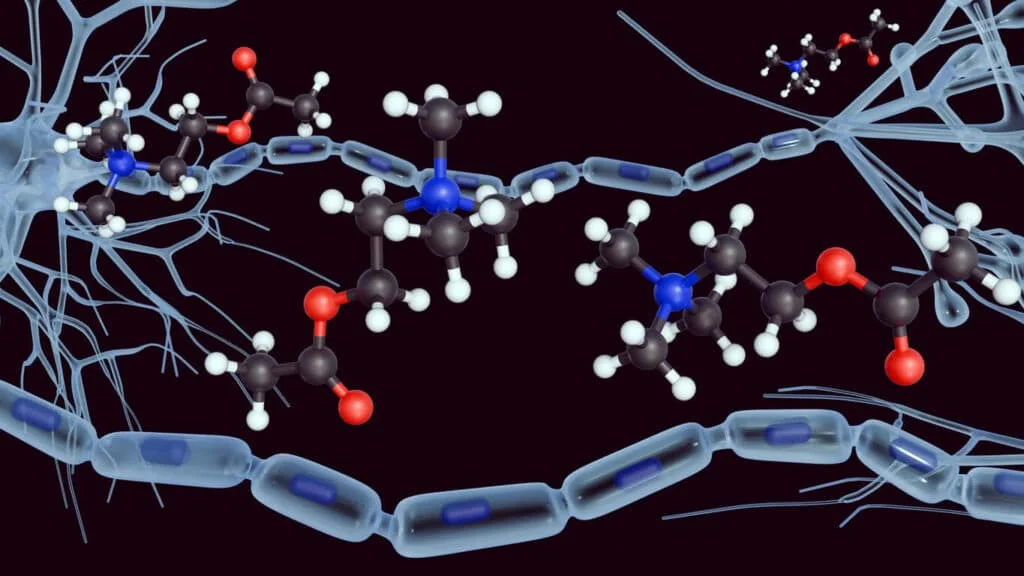
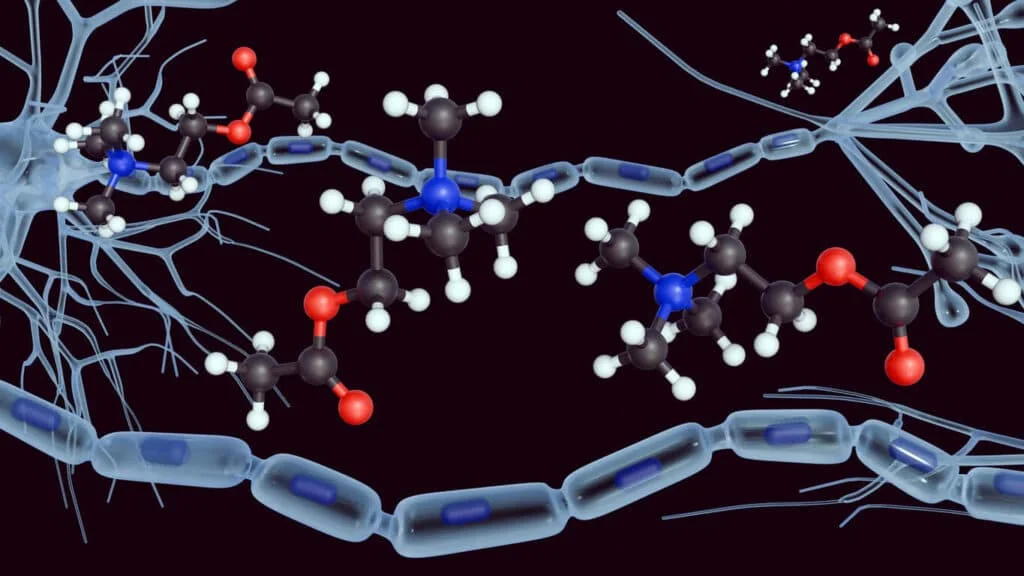
Choline is part of the structure of cell membranes and helps move fats across them. It also supports cell signaling, the communication that allows cells to coordinate their work. The body uses choline to make acetylcholine, a chemical messenger involved in cognition, memory and muscle control.

Methylation and related nutrients
Choline also contributes to methylation, a set of chemical reactions that helps regulate genes and make or process various molecules. One route uses betaine, which the body can produce from choline, to recycle homocysteine into methionine. Methionine is then used to make S-adenosylmethionine, or SAM, a molecule that supplies methyl groups.
Methylation is involved in regulating brain chemicals such as serotonin and dopamine, hormone and medication processing, gene activity and normal liver function. Folate and vitamin B12 support another route for recycling homocysteine. The pathways can partly compensate for one another, though their activity varies across tissues. That is one reason adequate intake of choline, folate and B12 all matter.
Betaine also comes from foods such as beets, spinach, quinoa and whole grains. It can cover part of choline’s role in the methylation pathway, but it does not replace choline’s other jobs in cells, the brain and the liver.
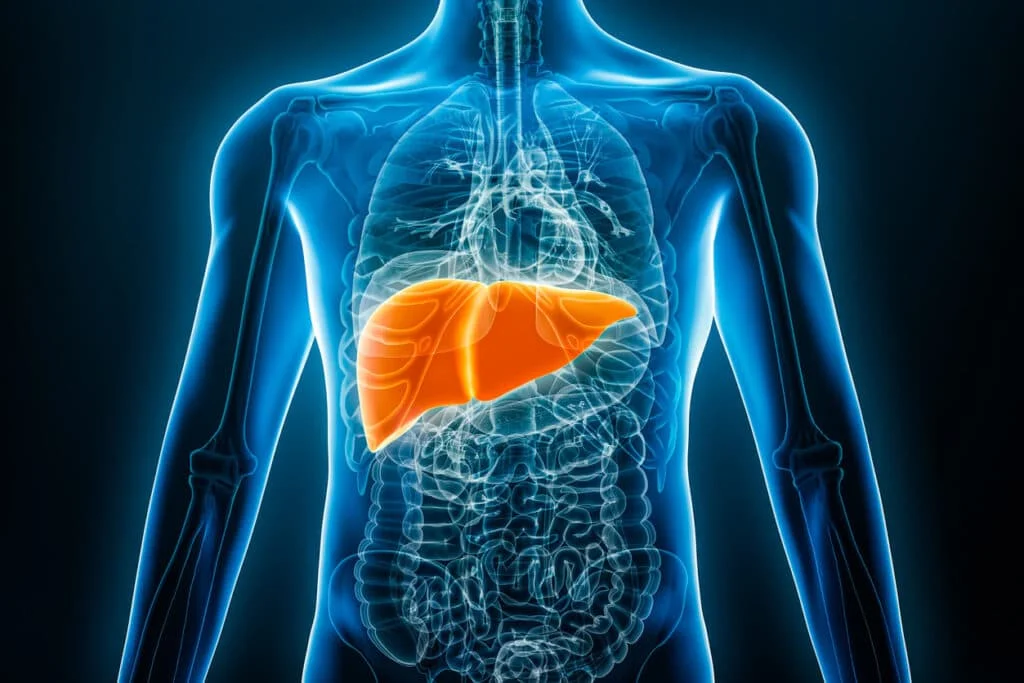
Fat transport and the liver
The liver needs choline to package fat into particles that can travel elsewhere in the body. Controlled feeding studies have found that very low choline intake can lead to fat building up in the liver and can contribute to muscle damage. In many cases, these effects can improve when choline intake is restored.
Those studies establish that severe shortfalls can cause harm under controlled conditions. They do not tell us exactly how small differences in everyday intake affect liver health over time.
What research says about health outcomes
Memory and brain health
A 2011 study of roughly 1,400 adults without dementia found that people who reported eating more choline-rich foods performed better on verbal and visual memory tests. Their MRI scans also showed less damage to white matter, the tissue that helps brain regions communicate.
This was an observational study: it identified a relationship between reported diet and test results, but it could not show that choline caused the differences. Other features of diet or health could have played a role.
A 2024 experiment examined choline in genetically engineered mice prone to developing amyloid plaques associated with Alzheimer’s disease. Choline given soon after birth was linked to better memory-test performance later in life and may have reduced amyloid-beta buildup in the hippocampus. Animal findings can help researchers explore possible mechanisms, but they do not establish that supplements prevent dementia in people.
Pregnancy and early development
Choline needs rise during pregnancy and breastfeeding. Studies have linked low choline and betaine exposure during pregnancy with a higher risk of neural tube defects, which affect early development of the brain and spinal cord.
A small 2018 controlled study compared pregnant participants who received 930 milligrams of choline per day in the third trimester with those who received 480 milligrams. The higher-intake group’s infants showed faster information-processing speed. In a follow-up published in 2021, children from the higher-intake group scored better on measures of attention, working memory and problem-solving at age seven.
The long-term follow-up is useful, but the study was small: it included 26 mothers, and 20 children took part in the assessment at age seven. Reviews have also reached different conclusions. A 2022 review judged that higher intake during pregnancy probably benefits children’s thinking skills, while a 2025 review found that most outcomes did not show a clear effect.
The evidence supports meeting the established intake target during pregnancy. It does not establish that everyone should aim for the much higher intake used in the small trial. Anyone considering a higher intake during pregnancy can discuss it with a health care provider, particularly because prenatal vitamins often contain little or no choline.
Liver health and cancer
A 2014 study of Chinese women found that those reporting higher choline intake were less likely to have fatty liver, but the association appeared only among women in the normal-weight group. In people with overweight or obesity, other factors may have had a stronger influence. As with other observational findings, the result does not prove that choline prevented liver disease.
A 2024 analysis of U.S. survey data found that people reporting higher choline intake were less likely to have had colon cancer. Because the analysis captured information at one point in time, it cannot show whether choline changed cancer risk. A diagnosis may also change what someone eats. The finding needs to be tested in studies that can better establish timing and cause.
Heart health remains uncertain
Research on choline and heart disease points in different directions. A 2023 analysis found lower dietary choline intake among participants with cardiovascular disease than among participants without it. The design could not determine whether lower intake came before the diagnosis. People may also change their diets after being diagnosed.
A 2024 meta-analysis of six cohort studies, involving almost half a million participants, reported that each additional 100 milligrams of daily choline was associated with an 11% higher risk of dying from cardiovascular disease. This is an association, not proof that choline caused the deaths.
One possible biological link involves the gut microbiome. Some gut bacteria can turn choline into trimethylamine, or TMA, which the liver converts into TMAO. Higher TMAO levels have been linked with cardiovascular risk. Researchers are still working out how this process relates to choline intake and health in people.
Food sources may matter too. Choline in some diets comes alongside processed or red meat, which have their own associations with cardiovascular health. The idea that choline from plant foods or eggs could carry a different effect is a hypothesis, not a demonstrated benefit. At present, the heart-health evidence neither establishes choline as protective nor shows that ordinary food intake causes heart disease.
How much choline is recommended?
There is no Recommended Dietary Allowance for choline. Instead, experts set an Adequate Intake, or AI, because the available evidence is not strong enough to calculate a requirement that meets the needs of nearly all healthy people.
| Group | Adequate Intake per day |
|---|---|
| Adult women | 425 milligrams |
| Adult men | 550 milligrams |
| Pregnancy | 450 milligrams |
| Breastfeeding | 550 milligrams |
The difference between the adult targets reflects average body size, rather than a difference in biological need. These figures are reference points for healthy people, not personalized prescriptions.
The body makes a limited amount of choline through a liver pathway called PEMT. Common variations in the PEMT gene may affect how much a person can produce. Estrogen supports this pathway, so postmenopausal women generally make less choline than premenopausal women or men. Some variations in the MTHFR gene may also increase choline needs when folate intake is low.
Genes are only part of the picture, and most people will not know their individual production capacity. Everyone still needs some choline from food. The amount available from a diet varies widely, so a mix of foods that contain choline is a practical way to support intake.
The form of choline in a food or supplement can affect what happens after it reaches the gut. Some free choline that is not absorbed in the small intestine can be converted by gut bacteria into TMA. Phosphatidylcholine, a fat-bound form present in foods such as soybeans and eggs, may produce less TMA. In a small 2021 study, choline bitartrate supplements raised TMAO levels in healthy adults, while choline from eggs and phosphatidylcholine supplements did not. This early result is not enough to settle the long-term health effects of different forms.
Food sources, including plant options
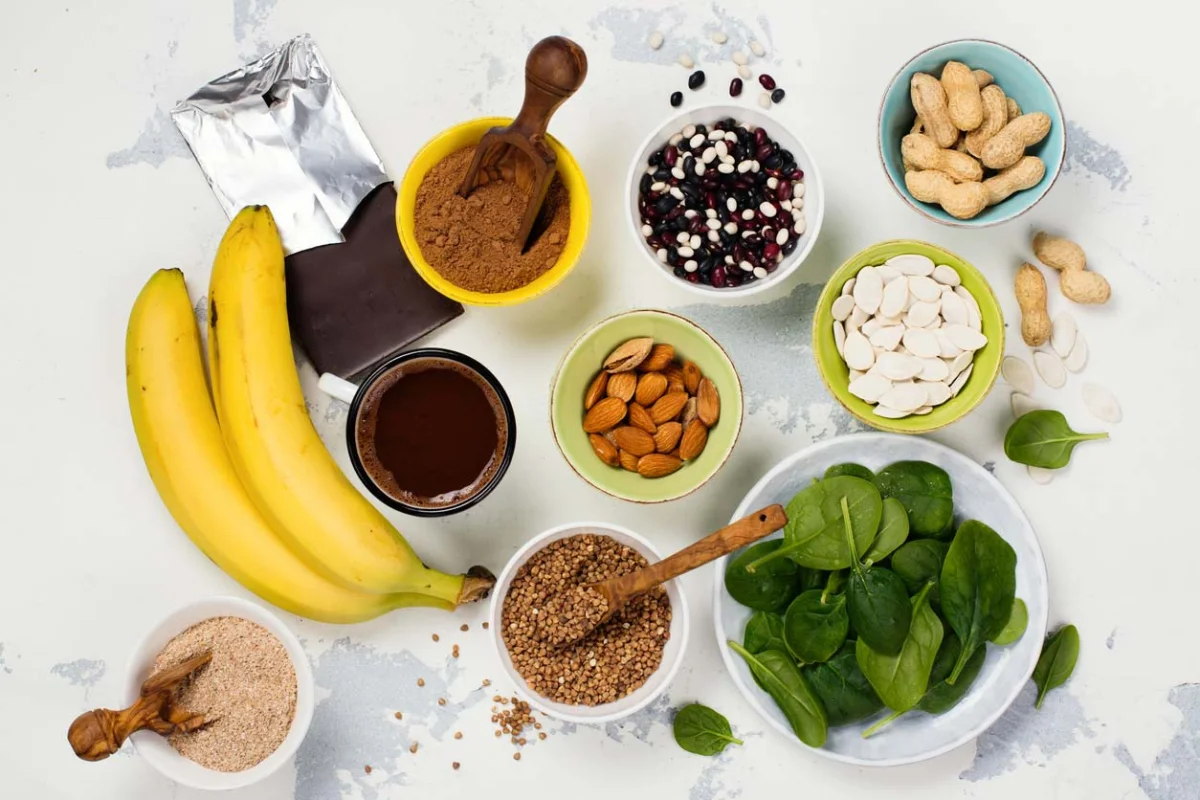
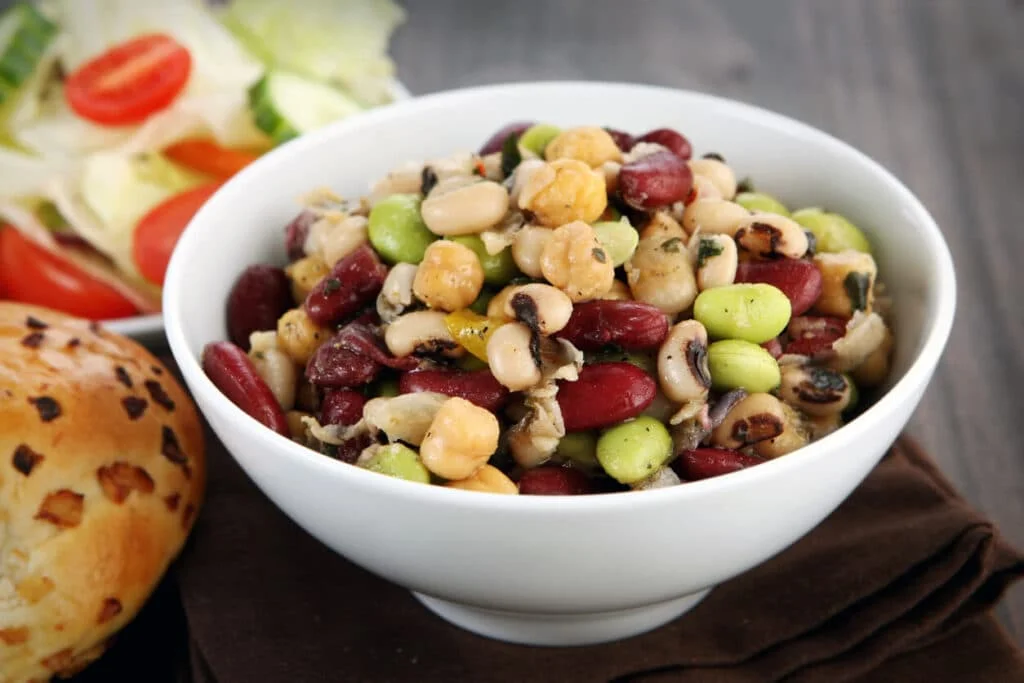
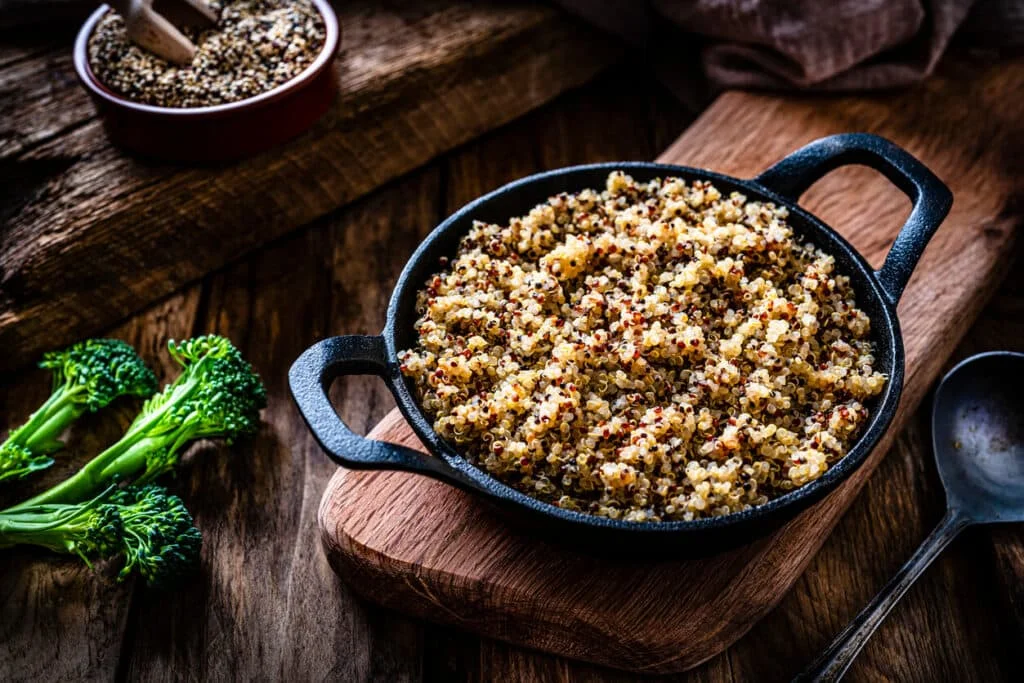
Beef liver and eggs are concentrated sources of choline. Among plant foods, roasted soybeans stand out. Beans, quinoa, potatoes, wheat germ, cruciferous vegetables, mushrooms, peanuts and seeds can also contribute.
| Animal food and serving | Choline | Percent Daily Value |
|---|---|---|
| Beef liver, pan-fried, 3 ounces | 356 mg | 65% |
| Hard-boiled egg, 1 large | 147 mg | 27% |
| Beef top round, braised, 3 ounces | 117 mg | 21% |
| Roasted chicken breast, 3 ounces | 72 mg | 13% |
| Ground beef, 93% lean, broiled, 3 ounces | 72 mg | 13% |
| Atlantic cod, cooked, 3 ounces | 71 mg | 13% |
| 1% milk, 1 cup | 43 mg | 8% |
| Nonfat vanilla yogurt, 1 cup | 38 mg | 7% |
| Nonfat cottage cheese, 1 cup | 26 mg | 5% |
| Canned white tuna in water, drained, 3 ounces | 25 mg | 5% |
| Plant food and serving | Choline | Percent Daily Value |
|---|---|---|
| Roasted soybeans, ½ cup | 107 mg | 19% |
| Large baked red potato with skin, 1 | 57 mg | 10% |
| Toasted wheat germ, 1 ounce | 51 mg | 9% |
| Canned kidney beans, ½ cup | 45 mg | 8% |
| Cooked quinoa, 1 cup | 43 mg | 8% |
| Boiled Brussels sprouts, ½ cup | 32 mg | 6% |
| Boiled broccoli, ½ cup | 31 mg | 6% |
| Cooked shiitake mushrooms, ½ cup | 27 mg | 5% |
| Dry-roasted peanuts, ¼ cup | 24 mg | 4% |
| Boiled cauliflower, ½ cup | 24 mg | 4% |
| Boiled green peas, ½ cup | 24 mg | 4% |
| Oil-roasted sunflower seeds, ¼ cup | 19 mg | 3% |
| Cooked brown rice, 1 cup | 19 mg | 3% |
| Whole-wheat pita, 1 large | 17 mg | 3% |
| Boiled cabbage, ½ cup | 15 mg | 3% |
| Mandarin orange segments, ½ cup | 10 mg | 2% |
| Raw snap beans, ½ cup | 8 mg | 1% |
| Sliced kiwi, ½ cup | 7 mg | 1% |
| Chopped raw carrots, ½ cup | 6 mg | 1% |
| Chopped apple with skin, ½ cup | 2 mg | 0% |
Percent Daily Value is a general food-label reference and is not identical to the individual intake targets above. The figures also show why plant-based intake can call for some attention: many plant foods provide modest amounts per serving, while roasted soybeans and several staples contribute more.
Can food meet the target on a plant-based diet?
A day built around foods with choline can meet the 425-milligram target for adult women without animal products. For example, oatmeal with an ounce of toasted wheat germ and a quarter cup of peanuts provides 75 milligrams. A lunch of quinoa with kidney beans, broccoli and Brussels sprouts adds 151 milligrams. Half a cup of roasted soybeans as a snack contributes 107 milligrams.
At dinner, a large baked potato with half a cup each of shiitake mushrooms, green peas and cauliflower contributes 132 milligrams. Together, the day provides about 465 milligrams. To bring the same day close to the 550-milligram target for adult men, kidney beans, broccoli and sunflower seeds could be added to dinner, bringing the total to about 560 milligrams.
This example is designed around choline-rich ingredients. Most people will not happen to eat this exact combination, so a varied pattern that regularly includes soy foods, beans, cruciferous vegetables and whole grains is more useful than trying to copy a fixed menu.
When supplements may be worth discussing
For most healthy adults, food is a sensible starting point. There is no good evidence that choline supplements improve health outcomes in adults who are not pregnant. The U.S. National Institutes of Health notes that studies have not found cognitive benefits from choline supplements in healthy adults or in people with Alzheimer’s disease, Parkinson’s disease dementia or other memory problems.
Pregnancy and breastfeeding are situations where a conversation with a health care provider can help. Intake targets rise, and many prenatal vitamins contain little or no choline. People who know they carry PEMT or MTHFD1 gene variations associated with higher needs may also want individualized advice. A very restricted diet or liver concerns can be useful reasons to ask whether supplementation makes sense.
Postmenopausal people eating a vegan or egg-free vegetarian diet may also want to pay attention to food sources, since the body’s own choline production tends to decline after menopause and plant-based eaters may consume less on average. That pattern does not mean deficiency is inevitable. Overt choline deficiency is very rare in healthy adults who are not pregnant, likely in part because the body makes some choline. Plant-forward diets also often provide folate and betaine, which can take on part of the methylation work.
If a supplement is being considered, the form matters. Common options include choline salts such as bitartrate or chloride, and phosphatidylcholine. The small study comparing choline forms and TMAO offers an early signal, not a basis for choosing a product on its own. A clinician or pharmacist can help consider diet, health history and other supplements together.
The adult Tolerable Upper Intake Level is 3.5 grams per day from all sources. Intake above this level can cause fishy body odor and low blood pressure; very high amounts could harm the liver. The upper limit is not a target, and higher intake should not be assumed to bring extra benefit.
Practical food ideas
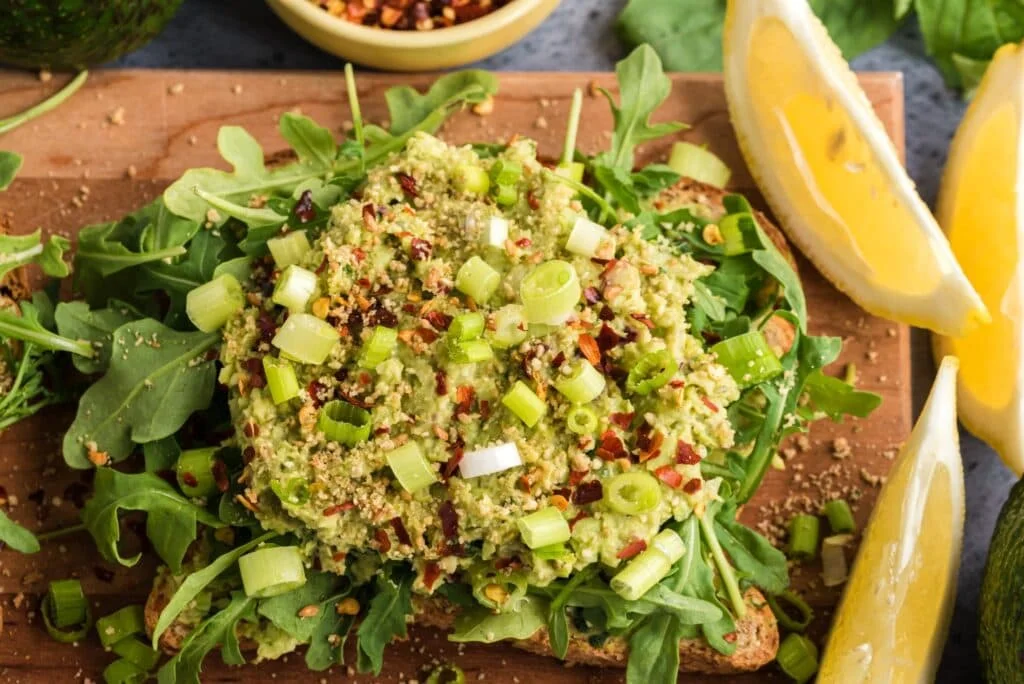
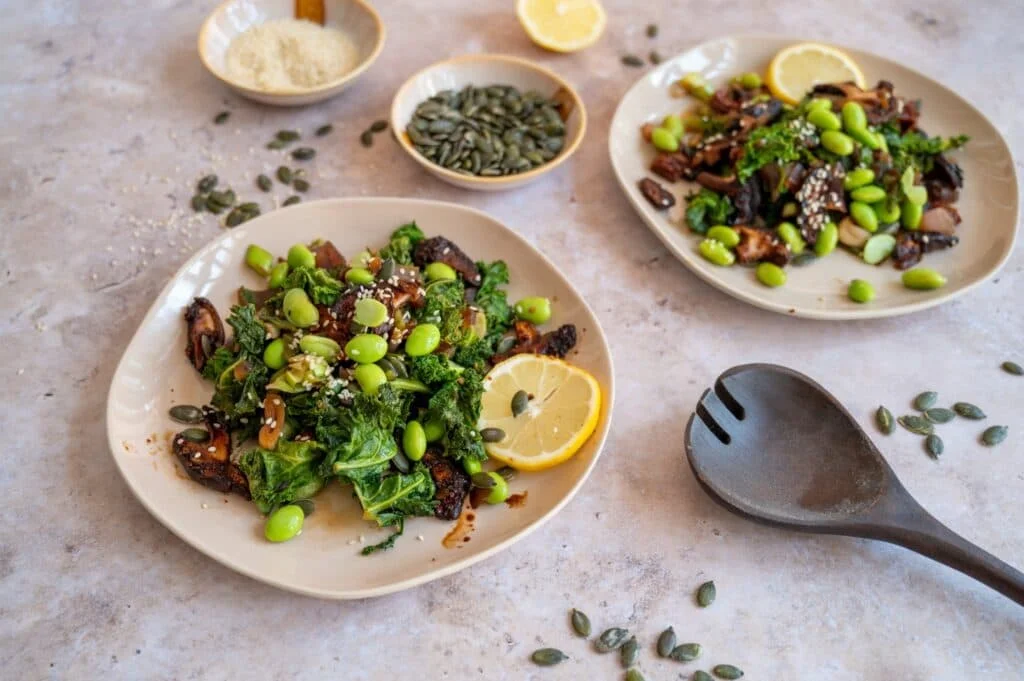
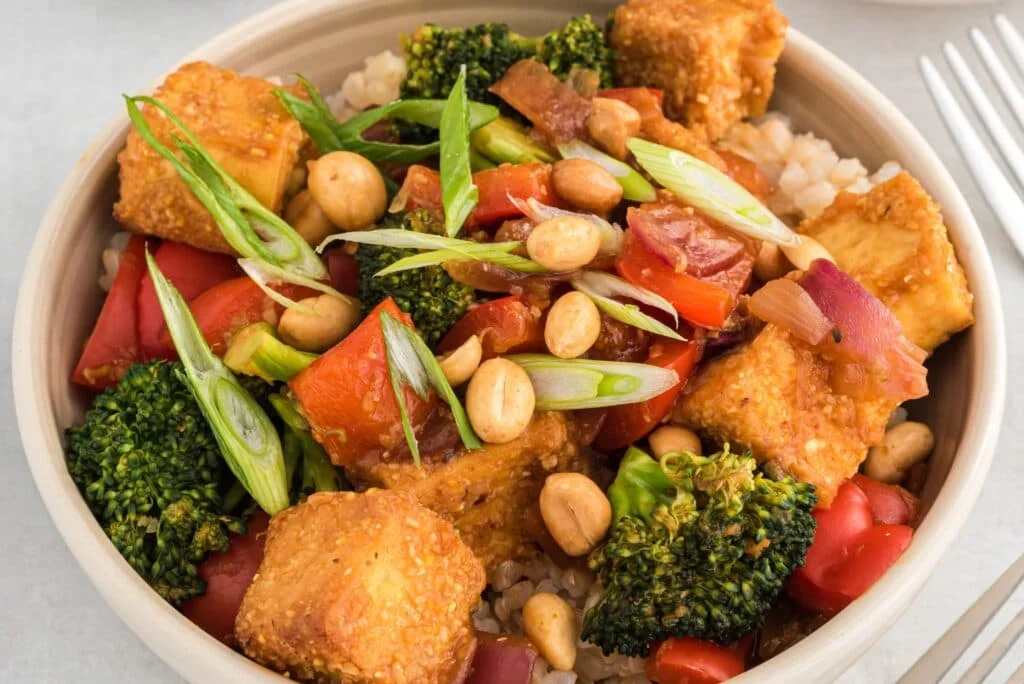
Edamame can add choline to toast, salads or grain bowls. A warm salad with kale, edamame, shiitake mushrooms and seeds combines several plant sources. Tofu and broccoli stir-fry is another option, and roasted soybeans can add a further contribution. Quinoa, kidney beans, peas, potatoes and whole grains are flexible ingredients for meals across the week.
Beets and spinach add betaine, which supports some of the same methylation work as choline. They can complement a choline-aware eating pattern, though they do not replace foods containing choline itself.
What to take away
Choline supports cell membranes, liver fat transport and acetylcholine production. Human studies offer promising clues about memory and early brain development, but they do not show that supplements prevent dementia or that high intake improves outcomes for everyone. Evidence about liver disease and cancer is still developing, and the relationship with cardiovascular health remains unsettled.
Many adults report intake below the Adequate Intake, across both plant-based and omnivorous diets. Soy foods, beans, quinoa, cruciferous vegetables, whole grains and, for those who eat them, eggs can help provide choline. People who are pregnant or breastfeeding, have a very restricted diet, or have a known reason for higher needs can discuss their intake with a health care provider.