Iron Levels: Why Ferritin Can Reveal Deficiency That Blood Counts Miss
Iron deficiency can develop before anemia appears. Learn who may be at risk, what testing can show, and why supplements call for care.
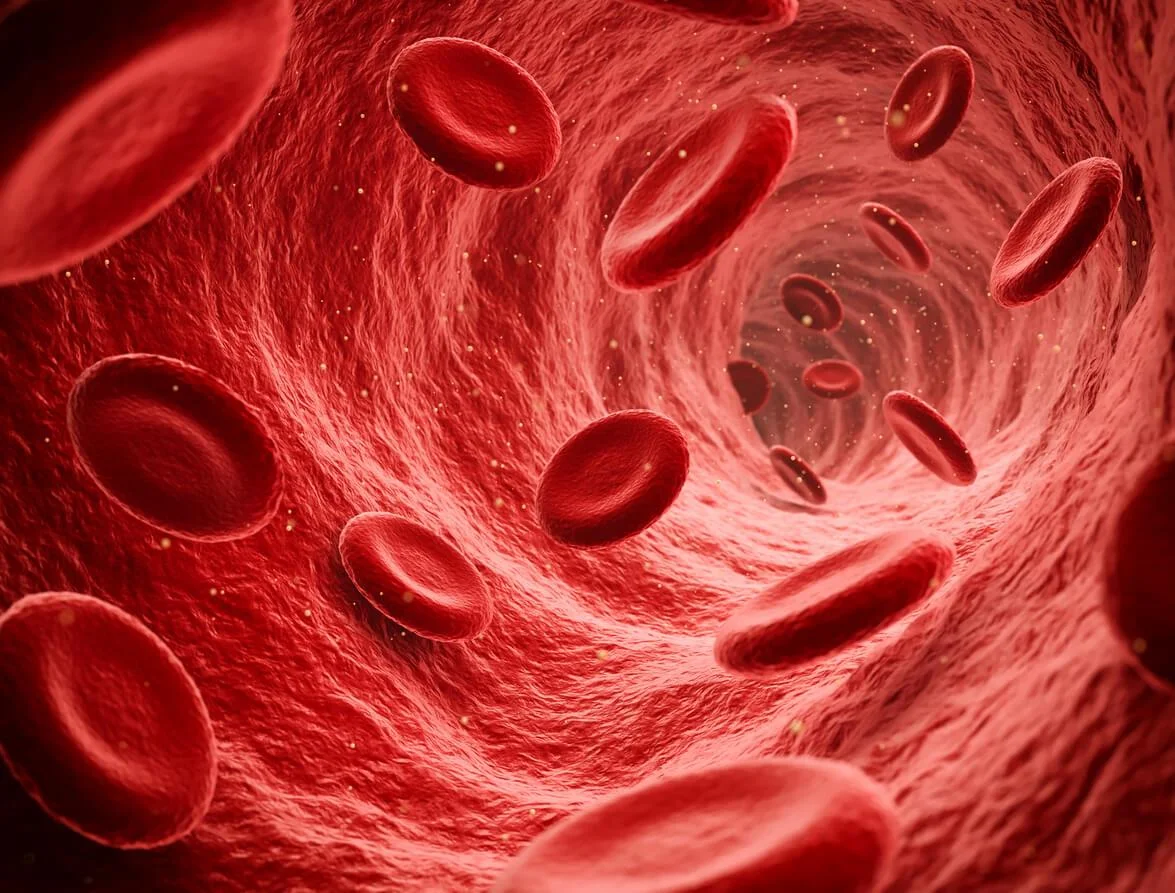
A blood count can look normal while iron stores are already running low. That gap matters: iron deficiency often develops in stages, and anemia is a later sign. A large U.S. analysis found iron deficiency in 38.6% of girls and young women aged 12 to 21, while 6.3% had iron-deficiency anemia. In other words, most of those with low iron stores were not anemic.
Iron levels can also become too high, particularly with hereditary hemochromatosis or unnecessary supplementation. The useful question isn’t simply whether a result falls inside a laboratory’s reference range. It’s how that result fits with symptoms, health history and other blood tests. Testing can help distinguish low stores from anemia and iron overload, and can guide a conversation with a health care provider before someone starts a supplement.
Why iron matters—and how the body manages it
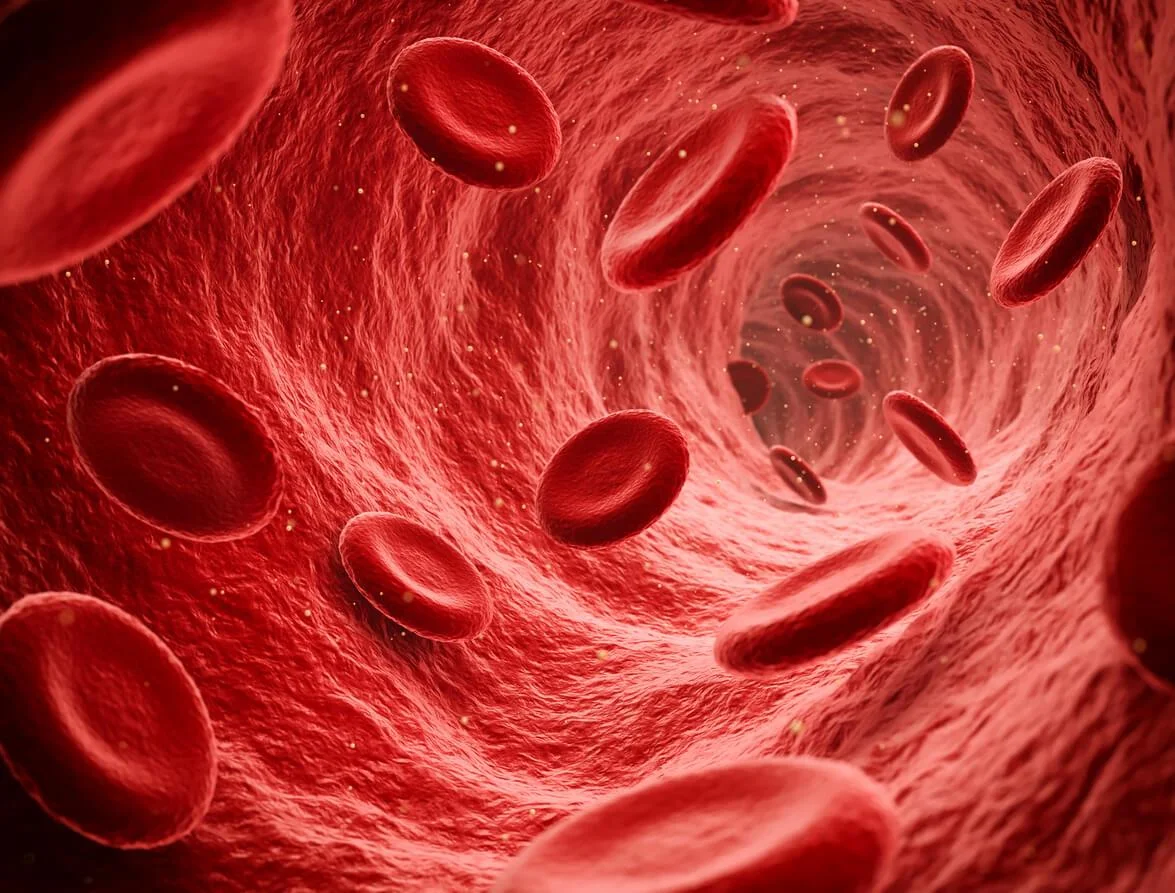
Iron’s best-known job is helping carry oxygen from the lungs to the body. Hemoglobin, the iron-containing protein in red blood cells, binds oxygen and delivers it to tissues. Muscle cells also use iron in myoglobin, which holds oxygen available for activity. Iron supports muscle metabolism, connective tissue, growth, brain development and the production of some hormones as well.
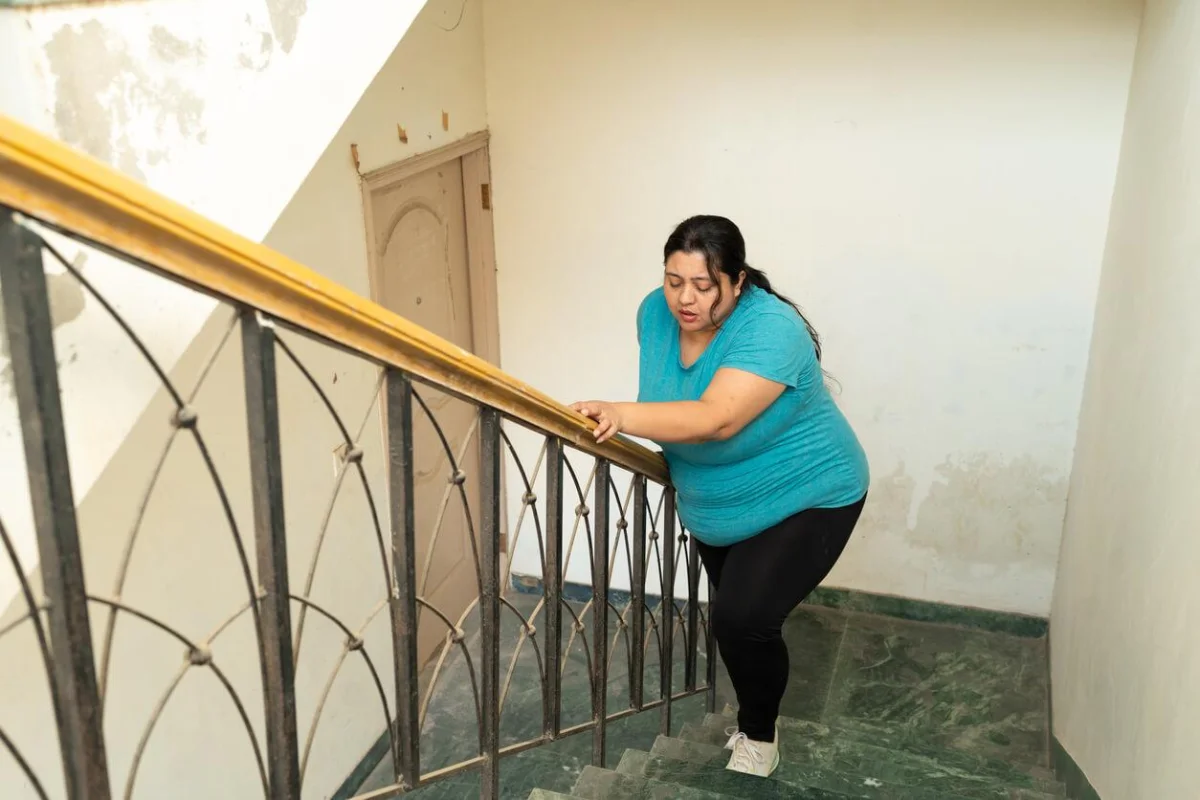
When iron is short, less is available for these functions. Possible symptoms include fatigue, dizziness, headaches, feeling short of breath and difficulty staying warm. Low iron may also contribute to restless legs symptoms. These symptoms can have many causes, though, so they don’t establish that iron is the problem on their own.
The body’s iron supply is managed largely by recycling. Red blood cells last about 120 days. When they wear out, immune cells in the spleen and liver recover their iron so it can be used to make new blood cells. This recycling provides about 25 milligrams of iron a day—enough to meet nearly all the bone marrow’s needs for producing red blood cells.
Iron moving through the blood travels on a protein called transferrin. Iron not needed immediately is stored in ferritin. Because the body reuses so much iron, it generally needs only about 1 to 2 milligrams a day absorbed from food to replace routine losses through shed cells and bleeding.
There’s a catch: the body has no active way to remove excess iron. Instead, it regulates how much enters through the gut. The liver makes a hormone called hepcidin. When iron stores are sufficient, hepcidin rises and limits absorption. When stores are low, hepcidin falls, allowing the gut to absorb more of the iron in food.
Iron in food comes in two forms. Heme iron is found in animal foods, while non-heme iron is found in plants and also in some animal foods. Heme iron is absorbed more readily and appears to be less tightly regulated than non-heme iron. That can help when iron is needed, but it also means iron intake and health history both matter when considering the possibility of excess.
Deficiency can precede anemia
Iron deficiency usually develops in stages. First, the body draws down its stores and ferritin falls. Red blood cells and hemoglobin may still appear normal. Later, less iron circulates on transferrin and the bone marrow has less available for new red blood cells. Hemoglobin can remain in range during this stage too. Only after that can hemoglobin fall far enough to meet the definition of iron-deficiency anemia.
Anemia means there is too little hemoglobin, and it can have causes other than iron deficiency. A blood count that checks hemoglobin can therefore miss low iron stores in the earlier stages. Ferritin provides information about stored iron; transferrin saturation indicates how much iron is being carried in the blood. Looking at these alongside a complete blood count can give a fuller picture.
The 2023 U.S. analysis of girls and young women used ferritin below 25 micrograms per liter (µg/L) to define iron deficiency. It found that 38.6% were deficient, while 6.3% had iron-deficiency anemia. The findings show why a normal hemoglobin result does not necessarily mean iron stores are adequate.
Low stores can be relevant even before anemia develops. In a randomized trial of menstruating women with unexplained fatigue and ferritin below 50 µg/L, iron supplements reduced fatigue more than a placebo did. That result applies to the trial group and doesn’t mean that fatigue in general is caused by low iron or that everyone with fatigue would benefit from supplements.
Daily needs and who may be more vulnerable
Recommended dietary allowances are higher than the 1 to 2 milligrams the body needs to absorb because only a fraction of dietary iron is absorbed. From a mixed diet, absorption is roughly 14% to 18%. The recommended amounts vary by age and life stage:
| Age or life stage | Iron (mg/day) |
|---|---|
| 1–3 years | 7 |
| 4–8 years | 10 |
| 9–13 years | 8 |
| 14–18 years, female | 15 |
| 14–18 years, male | 11 |
| 19–50 years, female | 18 |
| 19 years and older, male | 8 |
| 51 years and older, female | 8 |
| Pregnancy | 27 |
| Lactation, 19 years and older | 9 |
Menstruation helps explain why the recommended amount is higher for women aged 19 to 50 than for adult men. After age 50, the recommendation for women drops to 8 milligrams a day. Pregnancy raises iron needs to 27 milligrams, in part because blood volume increases. Growing children and teenagers also need iron to support development.
Some people lose more iron than usual or may not absorb it well. Heavy menstrual bleeding is a common cause of iron deficiency among women of reproductive age. Celiac disease and inflammatory bowel disease can affect absorption, and some conditions can cause blood loss. Pregnancy, the teenage years and a history of heavy or prolonged periods may also be useful context when discussing testing.
Blood donation removes a substantial amount of iron at once: a whole-blood donation takes about 200 to 250 milligrams. Rebuilding stores can take time. In one study of male donors, ferritin took at least 180 days to return to its earlier level, while the usual interval between whole-blood donations in the U.S. can be 56 days. Donation centers often check hemoglobin rather than ferritin, so a donor might meet the hemoglobin screen while stores are low. People who donate regularly can ask a provider whether ferritin testing is appropriate.
Plant-based diets: iron intake depends on food choices

Iron from plant foods is non-heme iron, which is generally absorbed less readily than heme iron. Estimates for vegetarian diets put absorption at roughly 5% to 12%. On that basis, the National Academies recommend that vegetarians and vegans get 1.8 times the standard dietary allowance. That would be about 32 milligrams a day for a vegetarian woman aged 19 to 50, and about 14 milligrams for vegetarian men and women over 50.
That multiplier has limits. It rests largely on a 1991 study using a diet designed to inhibit iron absorption, which may not represent how most people eat. It also doesn’t fully account for hepcidin: when iron stores fall, the body can absorb a greater share of the iron consumed. The 1.8 multiplier is best understood as a cautious estimate for food planning, rather than a reason to assume that every plant-based eater needs a supplement.
A large UK Biobank study tested more than 55,000 premenopausal women. Anemia was found in about 9% of regular red-meat eaters and about 13% of poultry eaters, fish eaters and vegetarians. The vegan group had an anemia rate of about 8% and the highest iron intake of the groups—but only 76 premenopausal vegan women were included, too few to support a firm comparison. The results concern anemia rates in this study; they don’t establish that one diet label guarantees adequate iron.
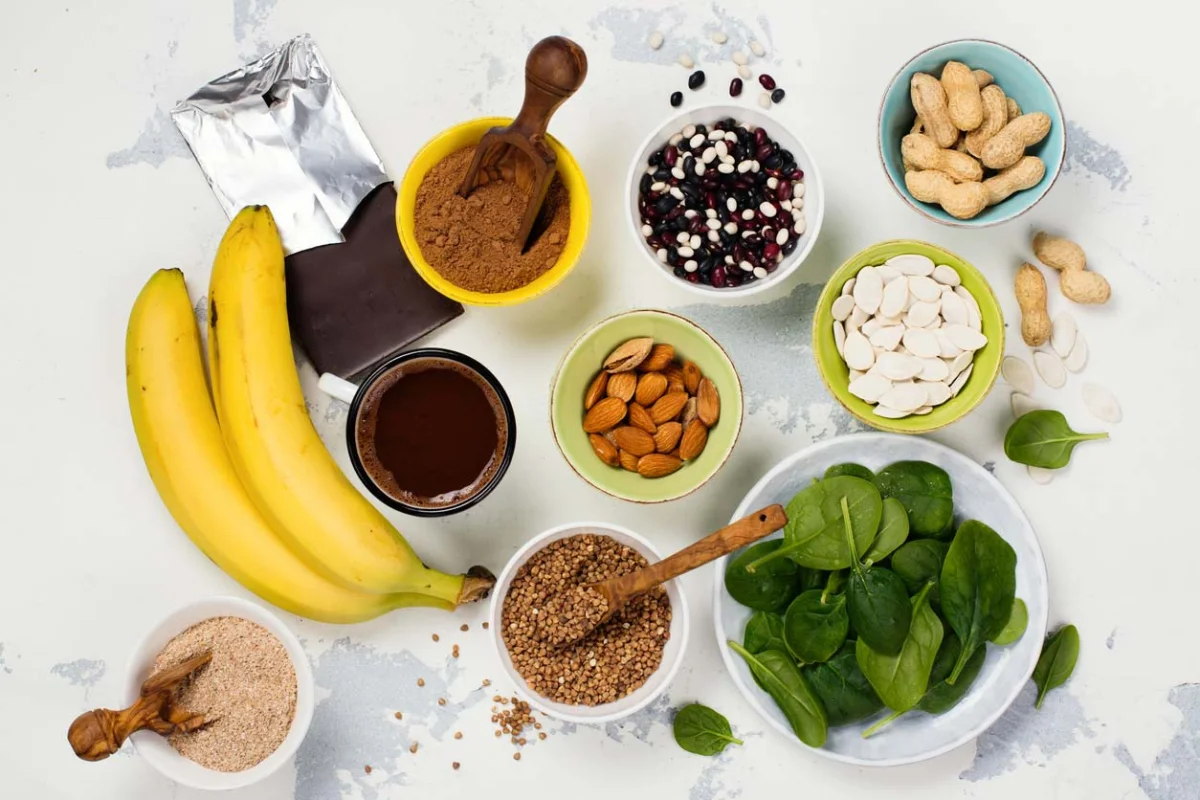
What people eat within a dietary pattern may matter more than the label. A diet built around legumes, leafy greens, nuts, seeds, tofu and grains can provide iron. By contrast, replacing meat mainly with foods that contain little iron may leave fewer dietary sources. People on any type of diet can have low iron, and plant-based eaters can meet their needs through food choices that include iron-rich items.
Iron-rich plant foods and ways to support absorption
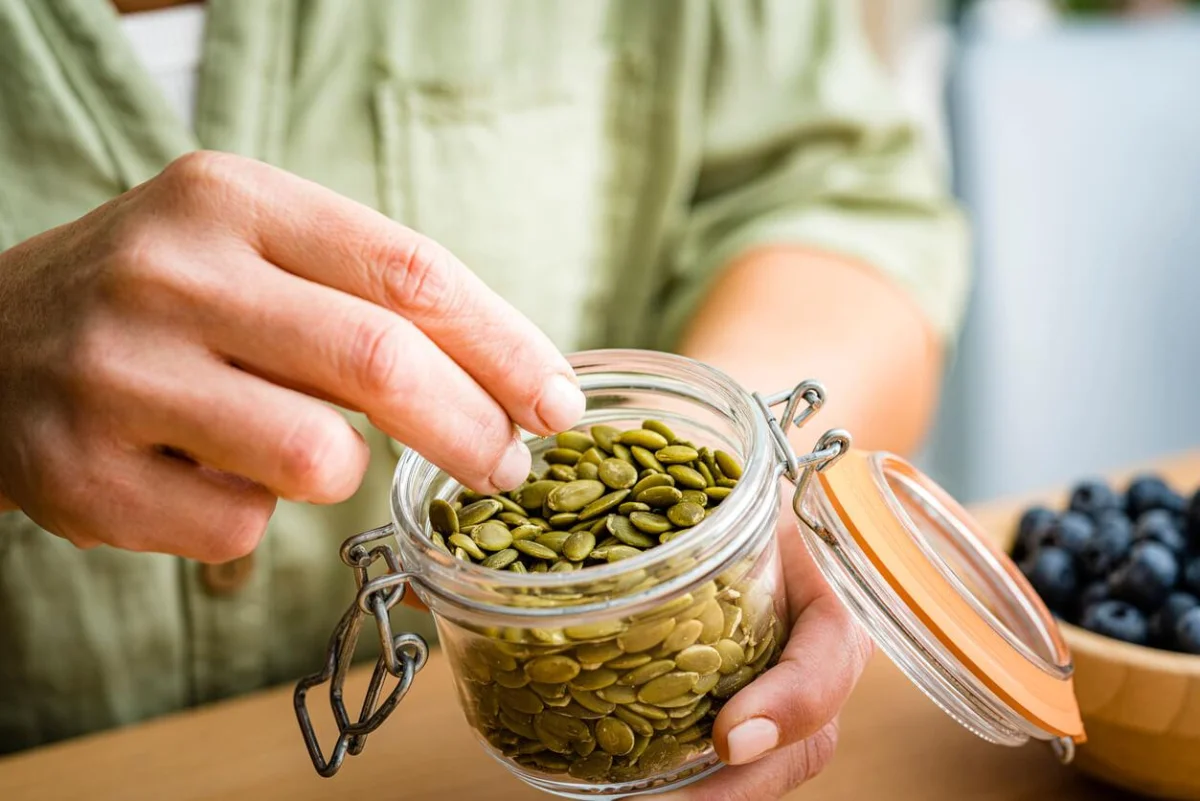
Several common plant foods provide useful amounts of non-heme iron. Values below are approximate and depend on serving size and preparation.
- White beans: about 4 milligrams in half a cup of canned beans.
- Swiss chard: about 4 milligrams in one cup cooked; cooked spinach provides about 3 milligrams per half cup, and collards about 2.2 milligrams per cup.
- Lentils: about 3 milligrams in half a cup cooked.
- Firm tofu: about 3 milligrams in half a cup.
- Pumpkin seeds, or pepitas: about 2.5 milligrams per ounce.
- Cashews: about 2 milligrams per ounce.
- Chickpeas: about 2 milligrams in half a cup cooked.
- Edamame: about 1.8 milligrams in half a cup shelled and cooked.
Fortified breakfast cereals can also contain substantial iron; some provide as much as 18 milligrams per serving. Checking the nutrition label helps show how much a particular cereal contributes.
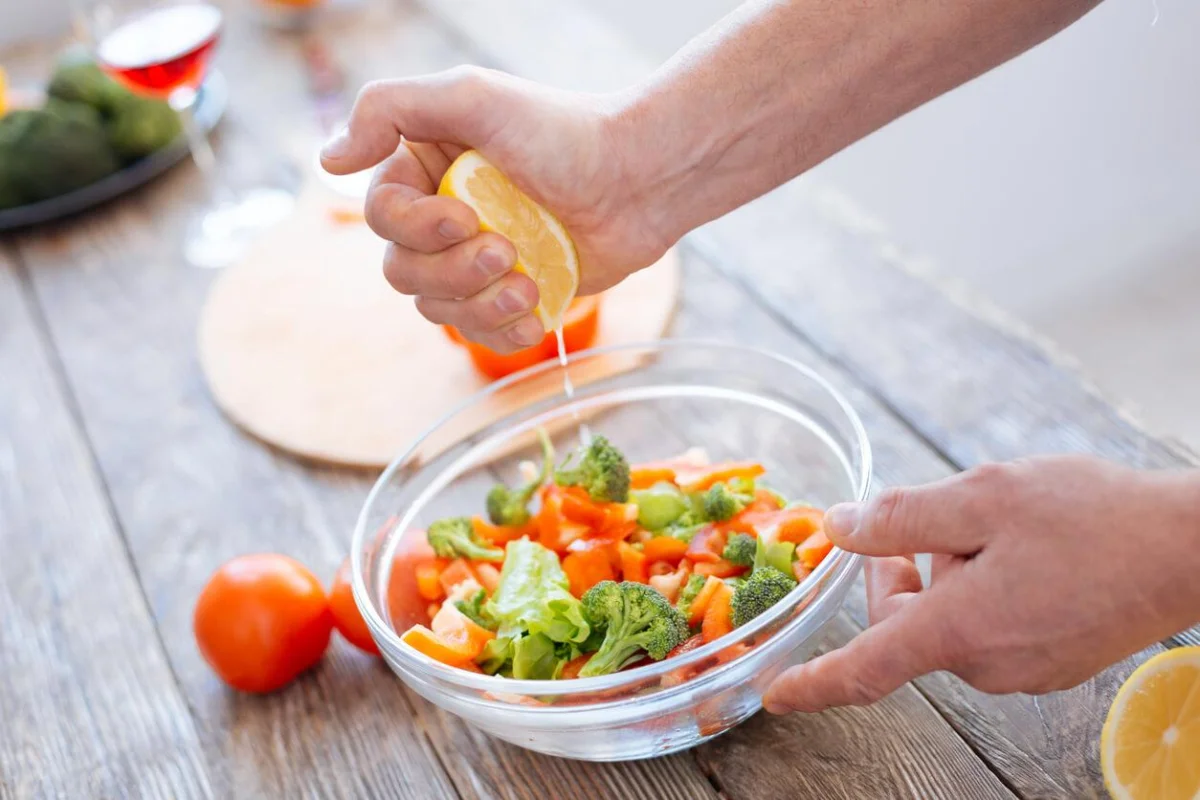
Vitamin C is one of the strongest dietary enhancers of non-heme iron absorption, particularly when iron stores are low. Adding tomatoes or peppers to beans, squeezing lemon over lentils, or serving fruit with oatmeal are simple ways to combine sources. The broader point is that the foods eaten with plant iron can affect how much the body absorbs.
Phytates in legumes, whole grains, nuts and seeds can bind iron and reduce absorption. These foods also have health benefits, so their presence isn’t a reason to avoid them. Soaking and sprouting can lower phytate levels; leavening bread can help too. Vitamin C in the same meal can offset some of phytates’ effect.
Tea and coffee contain polyphenols that can reduce iron absorption when consumed with a meal. People who are trying to improve iron intake may choose to have them between meals. Calcium from foods or supplements can also reduce iron absorption from the same meal, although longer-term research suggests the effect on overall iron status may be small. If someone takes a calcium supplement, separating it from the meal richest in iron may be useful to discuss with a clinician or pharmacist.
Cooking acidic foods, such as tomato sauce, in cast-iron cookware can add iron to food. The amount varies, so cookware is not a dependable substitute for testing or care when a deficiency is suspected.
What higher iron intake may mean
High iron stores are less common than deficiency for most people, but they can cause harm. Hereditary hemochromatosis is an inherited condition that can lead to excess iron absorption. About 1 in 225 people of Northern European ancestry inherit two copies of the main gene variant, though many never develop iron overload. Men develop iron overload more often than women. Untreated excess iron can damage the liver, heart and other organs; treatment often involves regular blood removal under medical care.
Unneeded supplements are another potential source of excess iron. For most adults with normal gut function, the body’s absorption controls mean dietary iron carries little risk of overload. Supplements can cause digestive problems and may distract from the reason someone feels unwell. Iron stores also tend to rise with age after menstrual losses stop, which makes testing before supplementation especially relevant for men and postmenopausal women.
In one study of U.S. adults aged 67 to 96, 13% had high iron stores, defined as ferritin above 300 µg/L in men and above 200 µg/L in women. Chronic disease explained only about 1% of those cases; the researchers could not determine how much of the remaining high ferritin was related to hemochromatosis. Observational studies have also linked higher iron stores with type 2 diabetes. In the Nurses’ Health Study, women with the highest stores had about 2.7 times the diabetes risk of those with the lowest. These associations don’t show that high iron caused diabetes.
Research has also linked higher heme iron intake with coronary heart disease, type 2 diabetes and colon cancer in pooled analyses of large prospective studies. These studies can identify associations, but can’t establish cause and effect. Other features of red and processed meat diets could help explain the findings. The evidence therefore doesn’t prove that heme iron itself causes these conditions.
What tests can clarify
Testing is a better starting point than guessing, especially before taking iron. It may be worth discussing testing with a health care provider for someone who menstruates, particularly with heavy or long periods; someone who is pregnant or planning a pregnancy; a teenage girl; a regular blood donor; or someone with celiac disease, inflammatory bowel disease or another condition affecting absorption. Persistent fatigue, breathlessness or restless legs are also reasons to discuss possible causes. A family history of hemochromatosis or past low iron can be relevant too.
Ferritin is commonly used to assess iron stores. A complete blood count includes hemoglobin, while transferrin saturation offers information about iron circulating on transferrin. Taken together, these results can help identify whether stores are low, whether anemia is present and whether further evaluation is needed.
Reference ranges vary, and a laboratory’s “normal” interval describes its reference population; it does not by itself settle whether a result fits a particular person’s situation. The Mayo Clinic lists typical ferritin ranges starting at 24 µg/L for men and 11 µg/L for women. The World Health Organization uses 15 µg/L as a deficiency cutoff. The source article reports that American Society of Hematology guidance sets a 30 µg/L cutoff for adults without inflammation and a higher cutoff of 50 µg/L for people with ongoing risk factors, including heavy menstrual bleeding and pregnancy with anemia. Ferritin in ng/mL uses the same numerical value as µg/L.
For an adult without inflammation, the article describes results below 15 µg/L as depleted by any standard, 15 to 30 µg/L as deficient under the cited guidance, and 30 to 50 µg/L as a range where symptoms, risk factors and other results may help determine the interpretation. These thresholds are not a diagnosis on their own.
Inflammation can make ferritin harder to interpret because ferritin rises when the immune system is activated. A result may therefore look reassuring even when usable iron is low. The cited guidance uses a higher ferritin cutoff—100 µg/L—for anemia associated with inflammation. In that setting, transferrin saturation matters too; a value below 20% can point toward iron deficiency. Interpretation belongs in the wider clinical picture.
Low iron calls for finding the cause
A low ferritin result shows that stores are reduced, but it doesn’t explain why. Heavy menstrual bleeding is a common reason among people who menstruate. Other possibilities include celiac disease, inflammatory bowel disease or slow bleeding from the digestive tract.
The context changes how a result should be followed up. A young adult with heavy periods and low ferritin may need a different evaluation from an older man with the same result. Guidance recommends that men and postmenopausal women with iron-deficiency anemia be assessed for a possible source of bleeding.
Taking iron may improve the number without addressing an underlying cause. When there isn’t an obvious explanation for low iron, discussing further evaluation with a health care provider is part of addressing the finding. High results also warrant follow-up: ferritin well above the laboratory range, or transferrin saturation that remains at 45% or higher, is worth discussing, particularly with a family history of hemochromatosis.
If testing confirms low iron
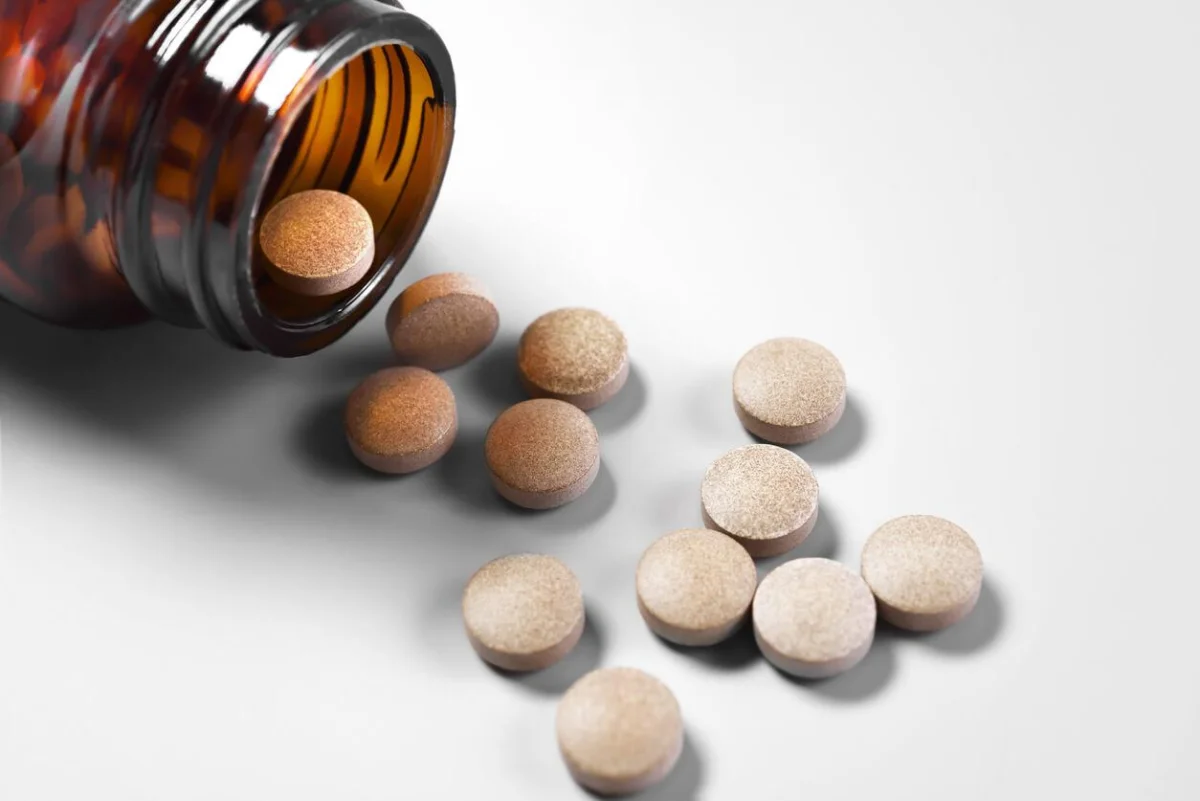
Food changes can help with a mild shortfall, while supplements may be used when food alone isn’t enough or stores are clearly depleted. The appropriate approach depends on the test results and the reason iron is low. A clinician can help weigh those factors and monitor whether levels improve.
Oral iron can cause constipation, nausea and stomach upset, with ferrous sulfate often associated with digestive side effects. Iron bound to amino acids, such as ferrous bisglycinate, may cause fewer digestive problems than iron salts such as ferrous sulfate. Someone who has stopped taking iron because of side effects can ask a clinician or pharmacist whether another form might be suitable.
Iron is absorbed best between meals, but taking it with food is a reasonable option if an empty stomach causes discomfort. Absorption may be lower, while tolerability may improve. Tea, coffee and calcium supplements can interfere with absorption when taken at the same time.
A dose of iron raises hepcidin, which can limit absorption for about a day. At the higher doses used to treat deficiency—sometimes 60 milligrams or more—studies have found that taking iron every other day can result in as much or more absorption than daily dosing. Splitting the dose into two doses a day did not improve absorption in one study. Lower-dose supplements did not produce the same hepcidin rise. These findings don’t determine an individual regimen; dose and schedule should be discussed with a health professional.
Vitamin C-rich foods can help with iron absorption from meals. A randomized trial of 440 adults with iron-deficiency anemia found that adding 200 milligrams of vitamin C to oral iron did not produce better results than iron alone. That trial doesn’t rule on every situation, but it suggests a vitamin C pill isn’t automatically needed alongside an iron supplement.
Correcting diagnosed anemia may take more iron than a low-dose supplement provides. Follow-up testing can help confirm whether treatment is working and reduce the risk of continuing beyond what is needed. People using iron over a longer period can ask about periodic monitoring. If choosing a supplement, independent quality testing and publicly available test results can offer additional information about quality and heavy metal contamination. Iron should be stored where children cannot reach it: accidental overdose can be dangerous for young children.
A practical way to think about iron
Iron needs depend on age, menstruation, pregnancy, growth, blood loss, absorption and individual health. People who menstruate, are pregnant or are growing teenagers may have higher needs. A plant-based pattern can include plenty of iron from beans, lentils, tofu, greens, nuts, seeds and fortified grains, especially when meals include vitamin C. Men and women past menopause generally need less iron, and taking supplements without testing can create avoidable problems.
If symptoms or risk factors raise concern, ask a health care provider whether ferritin, a complete blood count and transferrin saturation would help. Consider the actual numbers and the reasons they might be low or high, rather than relying on the word “normal” alone. When results are abnormal, the next useful step is understanding the cause and deciding on follow-up with a professional.