Rural Georgia Adds Emergency Birth Carts as Maternity Units Close
Georgia plans birth carts for 43 rural hospitals, but families and clinicians say emergency equipment can’t replace nearby maternity care.

Emergency birth carts may help rural hospitals respond when a pregnant patient arrives in labor, but they can’t replace a nearby maternity unit or the experience needed to manage complications. That tension is playing out in Georgia, where hospital closures have left many families traveling long distances for childbirth care.

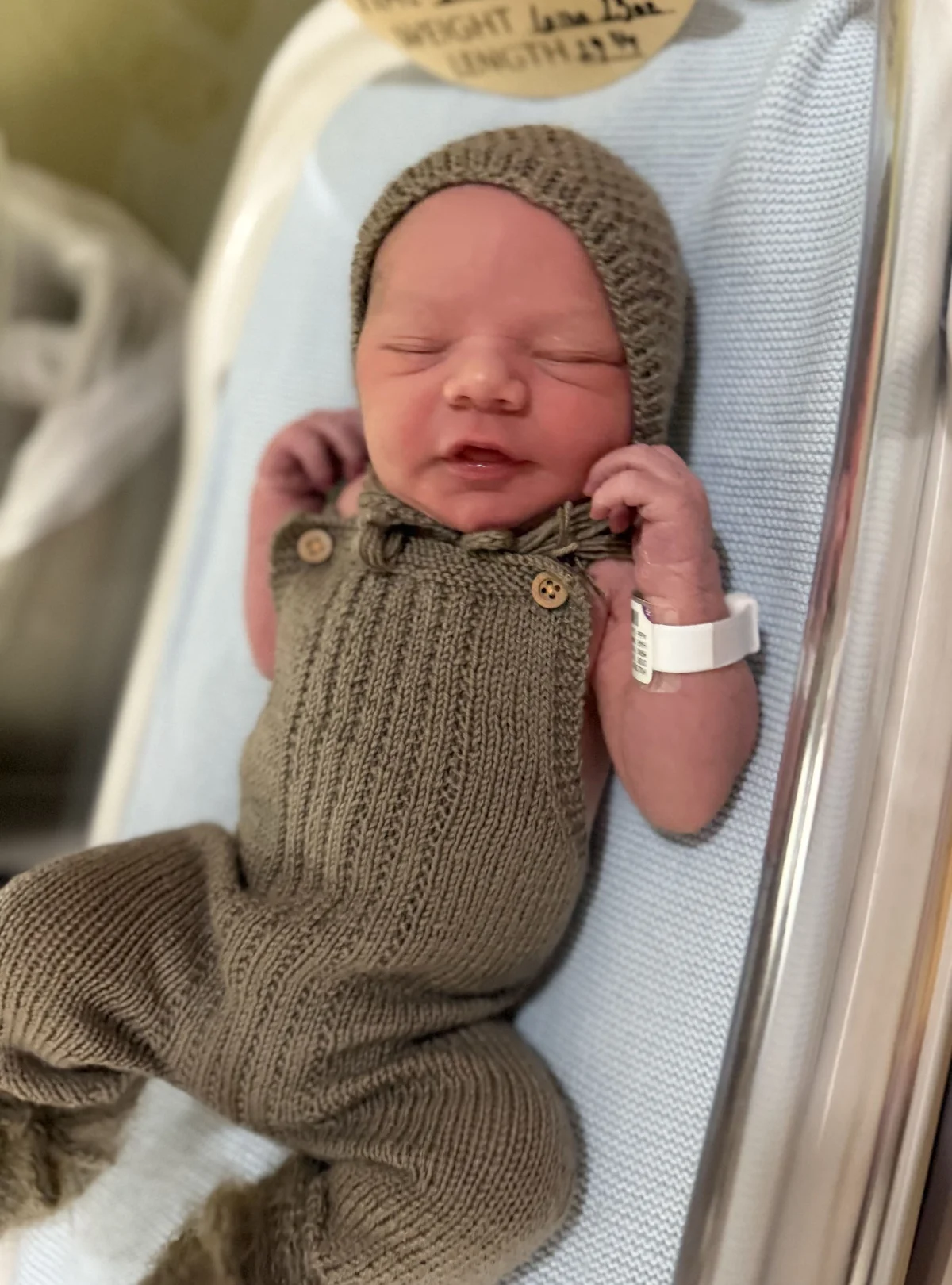
Kara Holden, a former obstetric nurse in Lavonia, planned carefully for the arrival of her fourth child. The local hospital had stopped providing obstetric services, so she arranged for former colleagues to be on standby, identified emergency rooms along the route and packed supplies in case she went into labor during the more-than-50-mile drive to Greenville, South Carolina. She made the trip to Greenville Memorial Hospital on Oct. 11 and delivered her son, Tucker.
“That’s a horrible place to put a pregnant woman in,” Holden said of having to plan around a long journey while pregnant.
Closures leave long distances to care
St. Mary’s Sacred Heart Hospital in Lavonia ended its obstetric services in October 2025. The hospital cited financial pressures, including reduced Medicaid payments, after an 18-month review that included efforts to recruit physicians, form partnerships and find additional funding.
The closure reflects a broader pattern. Rural hospitals around the country have ended labor and delivery services amid low birth counts and limited reimbursement. Fewer than half of rural hospitals offer labor and delivery, according to the Center for Healthcare Quality and Payment Reform. In Georgia, 36% of rural hospitals have such a unit, and four have closed since 2020.

Georgia ranks among the states with the poorest maternal health outcomes. The state plans to spend more than $12 million from its rural health funding allocation on obstetric carts for 43 hospitals without labor and delivery units. The carts are expected to contain equipment and medicines used during childbirth and emergencies, including tools for newborn resuscitation, thermal blankets, oxytocin to stimulate contractions and magnesium sulfate, which can help treat seizures associated with high blood pressure in pregnancy.
The Georgia Hospital Association will purchase and distribute the carts. The exact rollout date hasn’t been set. The funding must be spent by Sept. 30, 2027. The state health department says staff training is a central part of the effort, with practice drills planned for high-risk situations.
Equipment needs training and experience
Justin Law, an emergency physician who works in rural Georgia, sees value in assembling the supplies in one place. Many of the items are already found in emergency rooms, he said, but a dedicated cart could make them easier to locate quickly. The planned drills could also help staff rehearse their roles.
Still, clinicians and families question whether equipment can make up for limited experience with obstetric emergencies. Law said that during his decade working across rural Georgia, he hasn’t delivered a baby in an emergency room. He has training in emergency obstetrics and experience delivering babies as a paramedic, but a patient who needs an emergency cesarean section or has another serious complication would likely need transfer to a hospital with maternity services.
Holden said some emergencies leave little time to transfer a patient. “You’re not going to save anybody’s life just because you got access to some equipment,” she said.
Justin Peterson, an obstetrician-gynecologist in southern Georgia, called the carts reasonable in principle but worries that emergency doctors may be asked to fill a role that requires regular obstetric practice. He favors investing more in keeping rural labor and delivery units open. “You’re putting a band-aid on a hemorrhage,” he said.
Robin Clyatt, a maternal health outreach coordinator at Hope for Georgia Moms, said emergency physicians have wide-ranging skills but may see severe pregnancy complications, such as hemorrhage, only a few times each year. That can make it harder to respond confidently and quickly, she said. “You can’t practice scared when it comes to obstetrics,” Clyatt said.
Georgia’s health department says staff will rehearse high-risk procedures in simulation drills. Anna Adams of the Georgia Hospital Association acknowledged that emergency rooms aren’t the preferred setting for childbirth, but said preparation matters when a patient arrives in labor or develops a complication before reaching a maternity unit.
Families already feel the distance
Brittany Mitchell was about seven months pregnant when Sacred Heart closed its maternity unit. She was transferred to an obstetrician in Athens, nearly 50 miles away. After a test found high protein in her urine, a possible warning sign of preeclampsia, the clinician wanted to see her weekly. Mitchell said she often had to miss a day of work as a home health aide to attend those appointments.
She would still prefer to travel to an obstetrician if she had another baby. During her first delivery, nine years earlier, her local obstetrician acted quickly when her daughter briefly lost oxygen. Mitchell worries that an emergency room doctor might not have the same familiarity with childbirth care.
Holden also had access to virtual prenatal visits and could send her vital signs to her clinician. She worries that other people in the area may not have that option or the means to travel for appointments. Missed prenatal care can make it harder to identify and manage problems such as preeclampsia, she said.


Keeping maternity services available
When nearby maternity units close, the remaining hospitals can see more births. Coffee Regional Medical Center in Douglas serves six southern Georgia counties. Peterson said births there rose from 551 in 2020 to nearly 1,000 in 2024, reflecting the pressure that can shift to facilities still offering labor and delivery.
Clinicians and advocates have proposed several ways to improve access, including better payment for rural hospitals, incentives to recruit and retain physicians, and support for midwives and community health workers. Georgia’s rural health plan also includes funding for 75 residency positions across specialties and grants that could reimburse physicians up to $250,000 in relocation costs for practicing in rural areas.
Holden and Clyatt say midwives and community health workers could help connect families with care, but expanding their role depends on addressing barriers to practice.
Other states are trying different approaches. South Dakota plans maternal health hubs to assess local needs and help patients navigate services; Ohio is establishing rural birth centers. These efforts, like Georgia’s carts, are still responses to gaps that families already face.
For Holden, the cart proposal doesn’t erase the worry that comes with a long trip and a fast-moving complication. “There are so many things that can go wrong,” she said. “And they can go wrong really quick.” Her experience points to the practical measure to watch: whether rural families can reach skilled maternity care and consistent prenatal support in time.