Data Centers Raise Unanswered Questions About Noise, Air Pollution and Health
Research on data center health effects is still early. Residents are concerned about generator emissions, noise, lighting and water use as more projects are proposed.
Data centers are expanding into rural communities, while research into their possible effects on nearby residents is still at an early stage. That gap leaves residents weighing concerns about noise, air pollution, water and nighttime lighting against promises of jobs and economic activity.
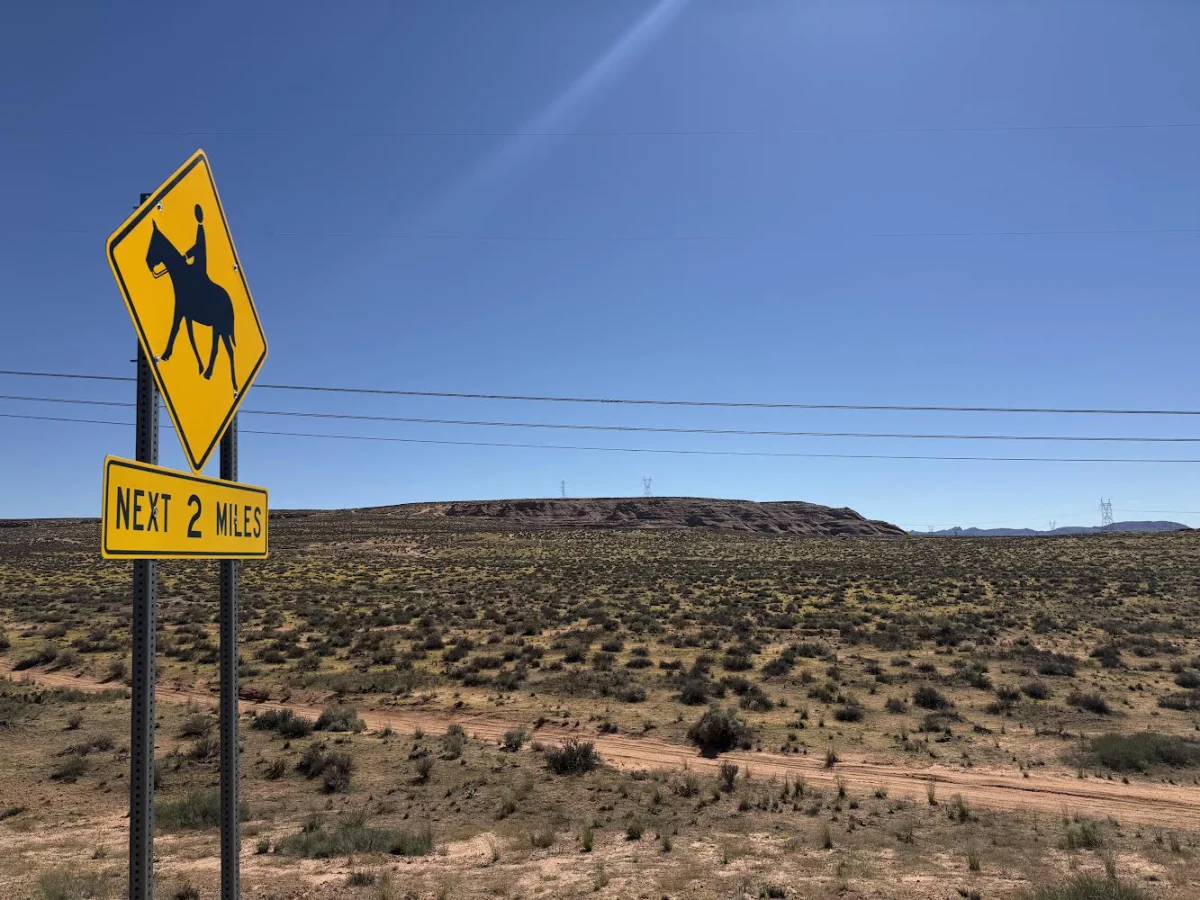
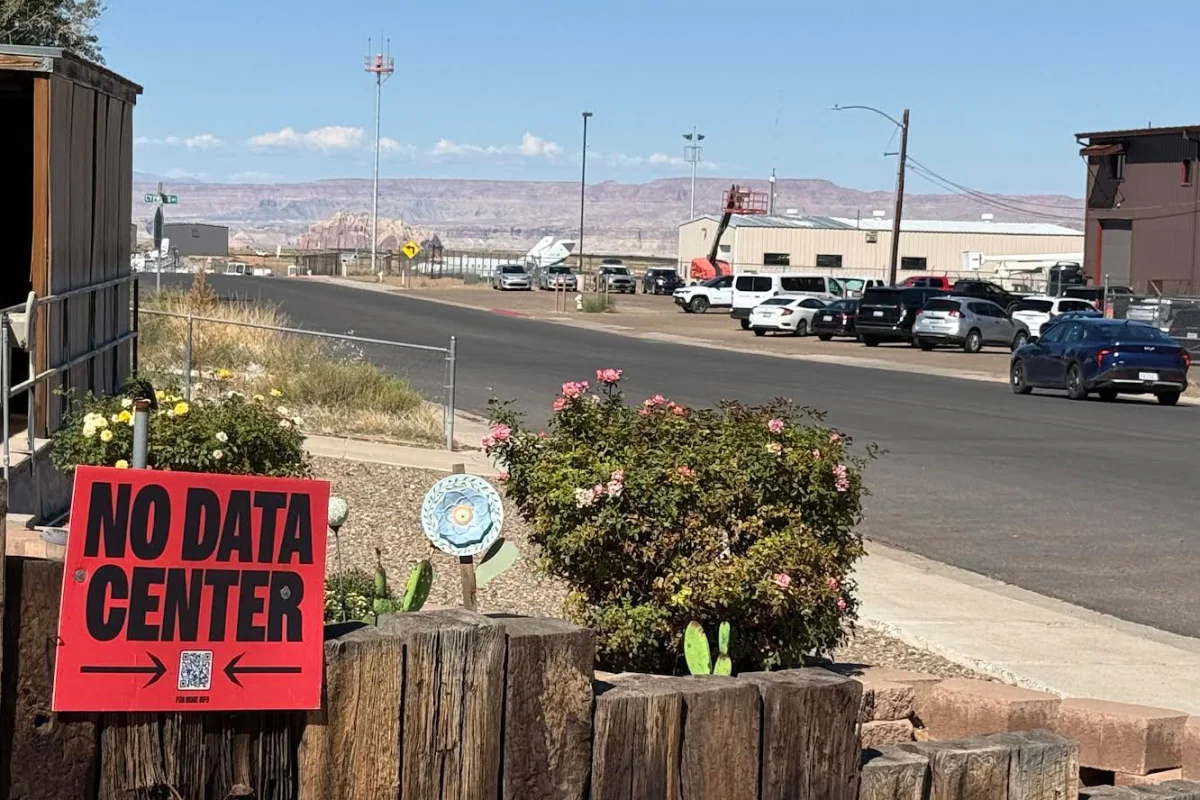
In Page, Arizona, the City Council approved the sale of 500 acres for a proposed $10 billion facility. Its location within the land has not been chosen, and the project still needs zoning and other approvals. The site is open desert near Horseshoe Bend, a popular destination along the Colorado River. Some residents have organized against construction and worry about what a large, energy-intensive complex could mean for the town.
Doug Herrera, 64, lives in a home built by his father, who died of cancer. Herrera wonders whether uranium mining pollution could have contributed to his father’s illness. Now he is concerned about the proposed data center, citing potential light and noise pollution and higher temperatures. Jan Boehme, who lives near the proposed site, is also worried about noise and possible harm to hearing.
What researchers are examining
Large data centers, including facilities built to support artificial intelligence, contain extensive server systems and can cover tens of thousands of square feet or more. They require substantial electricity and cooling. Backup gas or diesel generators may run when energy demand peaks or other power is unavailable.
Studies have connected air pollution from generator use with cardiovascular and respiratory problems, including asthma, and with elevated cancer risks. Researchers at the University of California, Riverside, used modeling to estimate that emissions from data centers could contribute to nearly 1,300 deaths a year by 2030, with an annual health burden above $20 billion by 2028. Those figures are projections, not counts of observed illnesses or deaths linked to specific facilities.
Shaolei Ren, an electrical and computer engineering professor at the university, said diesel generators can emit nitrogen oxides. These pollutants can travel through nearby communities and affect people downwind. The risks for a particular neighborhood will depend on factors such as emissions, how often backup equipment runs, local weather and the distance between the site and homes.
Other possible effects are less well established. Cooling equipment may involve chemicals described as “forever chemicals,” which can persist in the environment and accumulate in human tissue. Advocacy and environmental groups have raised concerns about those substances. Chemicals used in cooling, heavy metals and runoff from construction may also reach waterways, but the effects will depend on site design, handling practices and local conditions.
Noise is another point of concern. Generators and heating and cooling systems create a steady hum and whir; some sources cited in the article say sound levels can exceed 90 decibels. Prolonged exposure to loud sound can damage hearing. The actual experience for neighbors depends on the equipment, how long it operates, distance and sound controls.
Facilities also use exterior lighting for operations and security. Research on nighttime light has linked exposure with chronic disease risk, though that does not establish what a particular data center’s lighting would mean for nearby residents. High energy use can also create localized warmer areas, sometimes called heat islands. The scale and reach of any temperature change will vary by facility and setting.
Alison Steele, executive director of the nonprofit Environmental Health Project, said research into possible health effects is only beginning, while decisions about construction are happening now. That timing is part of the concern for people who want stronger evidence before projects proceed.
What is known, and what remains uncertain
The research cited here combines environmental studies, health research and modeling. It points to plausible routes by which data center operations could affect health, especially through air pollution and noise. But estimates about future illness are not the same as evidence that a specific facility has caused harm to its neighbors. The source does not describe long-term studies tracking health outcomes in communities beside operating data centers.
A data center industry group offered a different account of generator use. The Data Center Coalition said a review of Virginia, the largest data center market, found that backup power sources such as diesel generators are used minimally. The group also said existing rules limit potential emissions and impacts. Its executive vice president, Dan Diorio, described the industry as committed to acting responsibly in the places where facilities operate.
These claims do not settle the question for any proposed site. A useful assessment would need to consider the facility’s expected energy use, generator type and operating schedule, emissions controls, cooling systems, water needs, lighting and distance from homes. Construction plans and local monitoring would matter too. The article does not provide those details for the proposed Page project.
Community concerns extend beyond health
Residents’ objections also involve land, water, energy use and the character of their communities. In Ohio, where dozens of data centers have been built, residents have organized around concerns about environmental and financial effects. A report cited in the source estimated that state and local tax breaks over the past decade totaled about $2.5 billion, while companies including Meta, Amazon and Google built facilities across the state.
Survey results suggest that concerns are not limited to a small number of communities, though the polls described were opt-in surveys and may not represent all residents. An August online survey of 1,040 registered voters in Arizona found that 57% opposed more large data centers. An early October survey of 1,650 Ohio adults found that 55% opposed construction; about two-thirds viewed the environmental effect on their community negatively, and about half said the same about effects on quality of life. A separate national survey found that people were more opposed to a data center in their area than to a nuclear power plant.
In Page, visible signs opposing the project and residents’ organizing reflect local unease. The town has about 7,000 residents, and people living near the proposed site are particularly focused on what they might hear or breathe if construction goes ahead. Their concerns deserve to be considered alongside the health evidence, while keeping clear which effects have been documented and which remain possible.
For now, the most useful takeaway is that data center health research has not caught up with the pace of development. Communities evaluating a project can look for site-specific information about generator emissions, operating hours, noise, lighting, cooling chemicals and water use. Residents with health concerns or symptoms can discuss them with a health professional, who can help assess individual circumstances. More direct research in communities near operating facilities will be needed to clarify how these exposures affect health over time.