Pregnancy Costs: Five Ways to Prepare for Medical Bills
A couple’s bills far exceeded their insurer’s estimate. Five steps can help families understand coverage, check charges and find support.
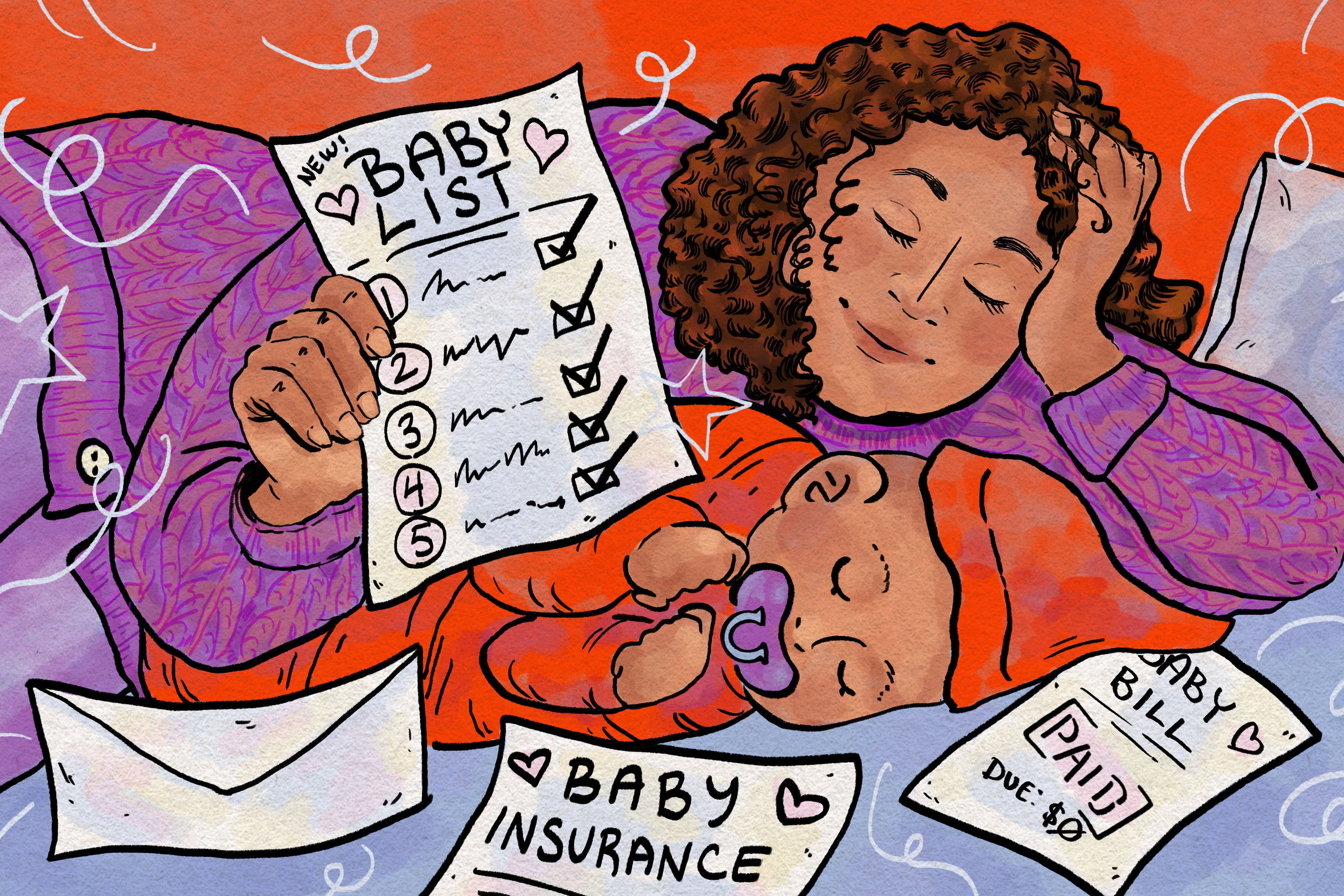
Pregnancy costs can be difficult to predict, even when a family checks its health plan before trying to conceive. Grace and Daniel Griffin, both 26, expected to pay about $2,700 for a routine pregnancy and delivery, based on an estimate in Grace’s UnitedHealthcare student plan. After their daughter was born, the family’s out-of-pocket expenses had topped $9,000.
Their experience shows why a plan’s estimate may not capture the full bill. Deductibles, coinsurance, the providers involved in care and the timing of services can all affect what a family pays. The Griffins’ bills also illustrate the value of checking coverage details, reviewing charges and seeking help early.
Why the estimate fell short
Before trying to conceive, Grace Griffin looked for ways to estimate the cost of pregnancy. The calculator linked to her plan asked her to enter billing codes for each procedure, information she didn’t have. She eventually found the plan’s Summary of Benefits and Coverage, which estimated about $2,700 in out-of-pocket costs for a routine pregnancy and delivery. The couple thought they could save that amount in advance.
Grace met her $500 deductible early in her pregnancy. After that, her plan required her to pay 20% coinsurance for in-network care: for each $100 billed for covered services, she was responsible for $20, subject to the plan’s terms. Routine blood tests, including tests to check iron levels or screen for gestational diabetes, cost a couple of hundred dollars per visit, she said.
After the birth in June, an explanation of benefits showed the hospital had charged about $18,000 for delivery. By early October, the couple’s out-of-pocket expenses exceeded $9,000. Grace described the pregnancy and delivery as routine, but the final costs were more than three times the plan’s estimate. The couple was working to cover the bills.
Insurers are supposed to provide patients with an individualized advance explanation of benefits estimating their share of scheduled care. The requirement was included in the 2020 No Surprises Act and was due to take effect on Jan. 1, 2022, but the system has not yet been put in place. Sabrina Corlette, a research professor and co-director of Georgetown University’s Center on Health Insurance Reforms, said the delay has frustrated patients who want clearer cost information.
Another change is scheduled for Jan. 1: long-standing billing codes that bundle much of maternity care are set to be replaced by more detailed codes for prenatal care, labor, delivery and postpartum care. More detail could make individual services easier to identify. Corlette said it’s uncertain whether that will help patients predict their bills or manage a budget.
Five steps that may help families plan
1. Enroll the baby within the plan’s deadline
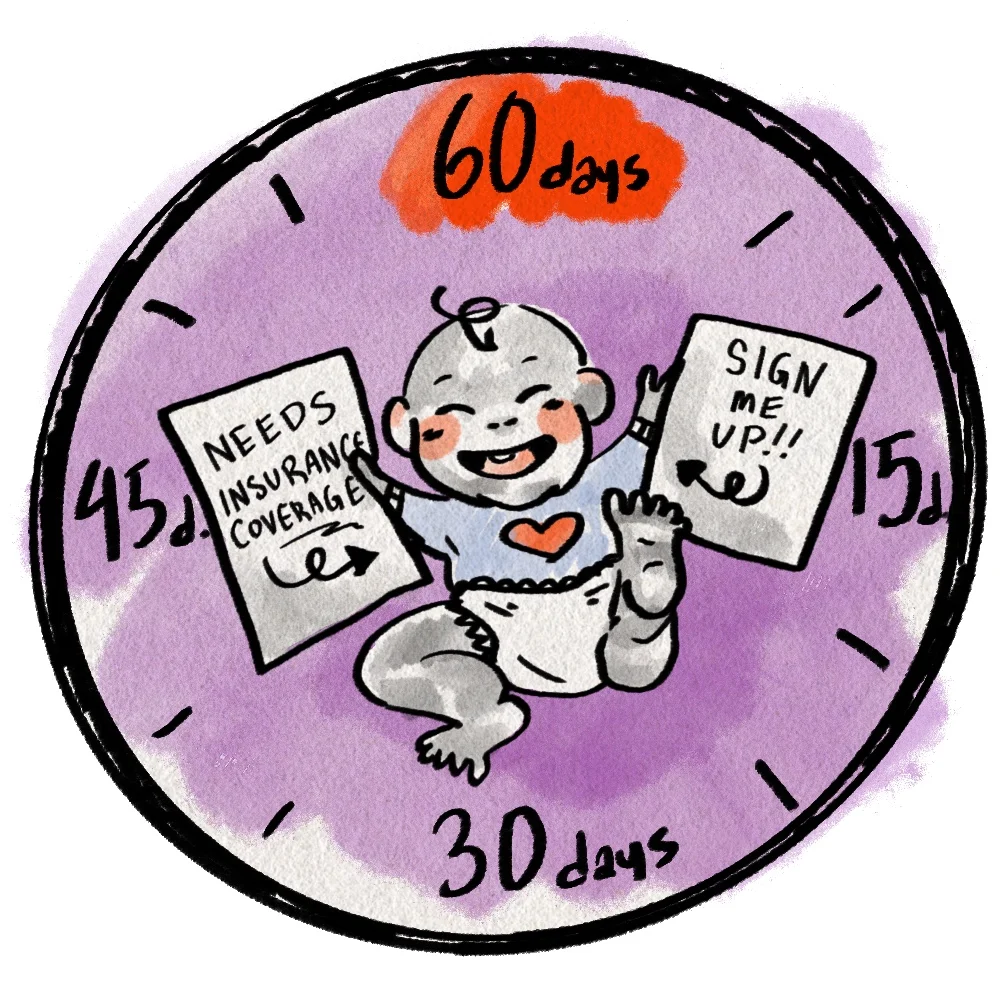
A baby’s birth creates a special enrollment opportunity, so families generally don’t have to wait for annual enrollment to add a newborn. The deadline depends on the type of plan. Many employer plans require parents to request enrollment within 30 days of birth; marketplace plans generally allow 60 days. Check the plan’s rules promptly, since missing its deadline can leave a child without that coverage until a later enrollment period.
Michelle Critzer, a sales representative in Ventura, California, missed the deadline to add her second son, Hudson, after he was born in February 2026. She said she had continued asking her insurer to make an exception without success. Her husband’s workplace plan had a 60-day enrollment window, so the family enrolled Hudson there. Critzer said that coverage was less extensive than her own plan, but it meant he was insured while she continued pursuing enrollment through her plan.
2. Learn the plan’s key cost limits
To estimate costs, start with the deductible: the amount a member pays for covered care before the plan begins paying according to its terms. Copayments are fixed fees for particular services. Coinsurance is a percentage of a service’s cost, which can make it harder to predict the patient’s share.

Also find the plan’s maximum out-of-pocket limit, sometimes called the MOOP. It caps what a person pays in a plan year for covered in-network services. Once a member reaches that limit, the plan pays the full cost of further covered in-network care for the rest of that year, subject to plan rules.
For 2026, the Affordable Care Act’s limit for in-network costs is $10,600 for an individual and $21,200 for a family. A plan may set a lower limit. The Griffins’ plan had a family limit of $18,000 and an individual limit of $9,000 for Grace.
Timing matters. If pregnancy care crosses into a new plan year, the out-of-pocket limit resets, which can mean paying toward the limit in both years. Some plans also track in-network and out-of-network costs separately; out-of-network limits may be higher. Ask the insurer how these limits apply to the specific plan and which services count toward them.
3. Confirm the network for each part of care
Having an in-network obstetrician doesn’t guarantee that every provider or facility involved in care is in-network. Ask about the hospital, laboratory and imaging facilities the doctor’s office uses. Corlette suggested telling the office directly that tests should go to an in-network provider.
Protections against surprise bills may apply when a patient receives care at an in-network hospital or other in-network facility from an out-of-network provider. Even with those protections, checking the network in advance can help clarify expected costs and reduce billing uncertainty.
4. Review bills and appeal coverage decisions

Some recommended prenatal services must be covered without cost sharing under the Affordable Care Act. These include prenatal visits, folic acid, anxiety and depression screening, and breastfeeding and lactation counseling and supplies. Billing errors can still result in charges being sent to patients.
Corlette recommends learning which pregnancy-related preventive services the plan covers and checking each bill. If the insurer declines to pay for a charge that appears to be covered, a patient can consider appealing the decision. The plan’s documents explain how to submit an appeal and what information to include.
5. Ask about financial help before bills accumulate
Many hospitals offer financial assistance or payment plans, and individual clinicians or other providers may have options as well. Ask what help is available and get any arrangement confirmed in writing. Corlette advised making the agreement formal in advance so a bill isn’t unexpectedly sent to collections.
Families can also look into other assistance in their area. Grace Griffin qualified for Michigan’s Rx Kids program, which provides eligible families in certain communities with $1,500 during pregnancy and $500 a month for the baby’s first six months or year of life. Griffin said the support helped keep medical bills from consuming the family’s emergency savings and eased some of the financial pressure.
For families planning for a pregnancy, the Griffins’ experience is a reminder that an insurer’s estimate is only one part of the picture. Reviewing the plan’s cost limits and network, confirming the newborn enrollment deadline, checking bills and asking about assistance can help clarify the choices ahead. For questions about a particular plan or bill, the insurer, provider’s billing office or a benefits counselor may be able to explain the relevant details.
Healthcare Helpline helps readers navigate health system hurdles between them and good care. Send us your tricky question and we may tap a policy sleuth to puzzle it out. Share your story. The crowdsourced project is a joint production of NPR and KFF Health News.
KFF Health News is a national newsroom that produces in-depth journalism about health issues and is one of the core operating programs at KFF, an independent source of health research, polling and journalism. Learn more about KFF.
This article first appeared on KFF Health News and is republished under a Creative Commons Attribution-NonCommercial-NoDerivatives 4.0 International License.